
 24 Hour Emergency Aid
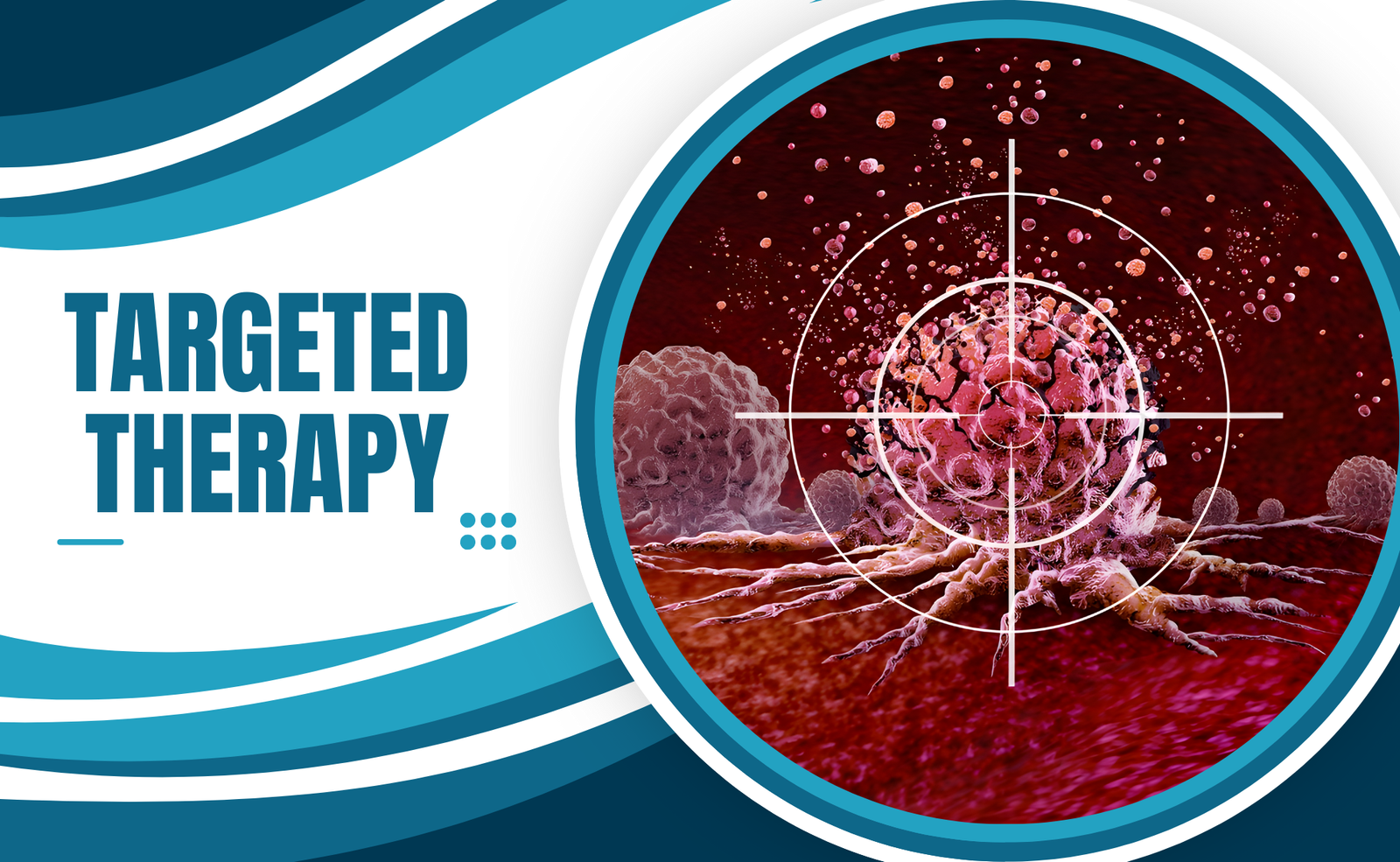
Targeted Therapy
Cancer care has entered a new era—one where treatments are becoming smarter, more precise, and more personalized. At the heart of this revolution is Targeted Therapy, a treatment designed to attack cancer cells with remarkable accuracy while keeping healthy cells safer.
If you or someone you care about is exploring targeted therapy, this guide will explain what it is, how it works, and what you can expect throughout the journey.
What Is Targeted Therapy?
Targeted therapy is a form of cancer treatment that focuses on the specific genes, proteins, or pathways that allow cancer cells to grow and survive. Instead of affecting the whole body the way chemotherapy often does, targeted therapy zeroes in on these unique targets inside cancer cells.
Think of cancer cells as having special “switches” that help them grow uncontrollably. Targeted therapy works by:
Turning these switches off
Blocking signals that help cancer grow
Stopping cancer cells from repairing themselves
Preventing new blood vessels from feeding tumors
This makes the treatment more focused, effective, and often better tolerated.
How Does Targeted Therapy Work?
Targeted therapy works only when cancer cells have specific changes (mutations). These mutations are identified through genetic or molecular testing, which your doctor may recommend before starting treatment.
Once the target is identified, doctors select medicines that:
Bind to cancer cells directly
Interrupt the cell’s internal processes
Slow or stop tumor growth
Trigger the cancer cells to die naturally
This is why targeted therapy is often described as precision medicine—it treats the cancer based on its unique genetic fingerprint.
Types of Targeted Therapy
There are several types of targeted therapies, each functioning differently:
1. Monoclonal Antibodies (mAbs)
These are lab-made proteins designed to attach to specific targets on cancer cells.
They can:
Allow the immune system to detect and destroy cancer
Block growth signals
Deliver toxic substances directly to cancer cells
2. Small Molecule Inhibitors
These medicines can enter cancer cells and block important pathways that help them survive.
Common categories include:
Tyrosine kinase inhibitors (TKIs)
mTOR inhibitors
PARP inhibitors
They work internally to shut down cancer cell growth.
3. Angiogenesis Inhibitors
These drugs prevent tumors from developing new blood vessels, essentially starving them.
Which Cancers Can Be Treated with Targeted Therapy?
Targeted therapy has become a key treatment for many cancers, including:
Lung cancer
Breast cancer
Colon cancer
Blood cancers (like CML)
Kidney cancer
Liver cancer
Melanoma
Ovarian cancer
Thyroid cancer
Its use continues to grow as new genetic discoveries are made.
Who Is Eligible for Targeted Therapy?
Not every cancer patient needs targeted therapy. Doctors determine eligibility through specialized tests such as:
Genetic sequencing
Molecular profiling
Mutation analysis
Immunohistochemistry (IHC)
FISH or PCR tests
These tests identify whether a patient has the molecular “target” that the therapy can act on.
How Is Targeted Therapy Given?
Targeted therapy is usually delivered in two ways:
Oral tablets or capsules (many patients prefer this due to convenience)
Intravenous (IV) infusions given at the hospital
The treatment schedule varies based on the drug and cancer type. Some are taken daily, while others are given in cycles.
Benefits of Targeted Therapy
Targeted therapy offers several advantages:
More precise action on cancer cells
Better protection of healthy tissues
Often fewer side effects than chemotherapy
Highly effective for cancers with specific mutations
Can be combined with chemotherapy or immunotherapy for stronger results
For many patients, targeted therapy significantly improves survival and quality of life.
Possible Side Effects
Although targeted therapy is generally well-tolerated, it may still cause certain side effects:
Skin rashes
Fatigue
Diarrhea
High blood pressure
Mouth sores
Changes in liver function
Swelling in hands or feet
Nail and hair changes
These effects vary based on the drug. Most can be managed with medications, lifestyle adjustments, and close monitoring.
How to Take Care of Yourself During Targeted Therapy
Here are some tips to stay strong during treatment:
Maintain a healthy, balanced diet
Take medicines exactly as prescribed
Drink plenty of water
Avoid alcohol and smoking
Protect your skin from sun exposure
Report new symptoms early
Keep regular follow-up appointments
Stay physically active with light exercises
Your care team will guide you through every step to ensure safety and comfort.
Frequently Asked Questions (FAQs)
1. How long does targeted therapy last?
It depends on the type of cancer and response to treatment. Some patients take it for months, while others may continue for years.
2. Is targeted therapy better than chemotherapy?
Not always. Targeted therapy works best when specific mutations are present. In many cases, doctors use both treatments together.
3. Will I lose my hair during targeted therapy?
Most targeted therapies do not cause significant hair loss, although mild thinning can occur with some drugs.
4. How soon will I see results?
Some patients see improvements within weeks, while others may take a few months. Regular scans help track progress.
5. Can targeted therapy cure cancer?
In certain cancers like CML, targeted therapy can lead to long-term remission. In others, it helps control the disease effectively and improves survival.
6. Do I need regular tests during treatment?
Yes. Blood tests, scans, and physical evaluations help monitor side effects and treatment response.
7. Can I continue working while on targeted therapy?
Many patients can continue normal activities, including work, depending on their overall health and side effects.
8. Is targeted therapy safe for elderly patients?
Yes. Since it is often better tolerated than chemotherapy, it is suitable for many older adults.