

 24 Hour Emergency Aid
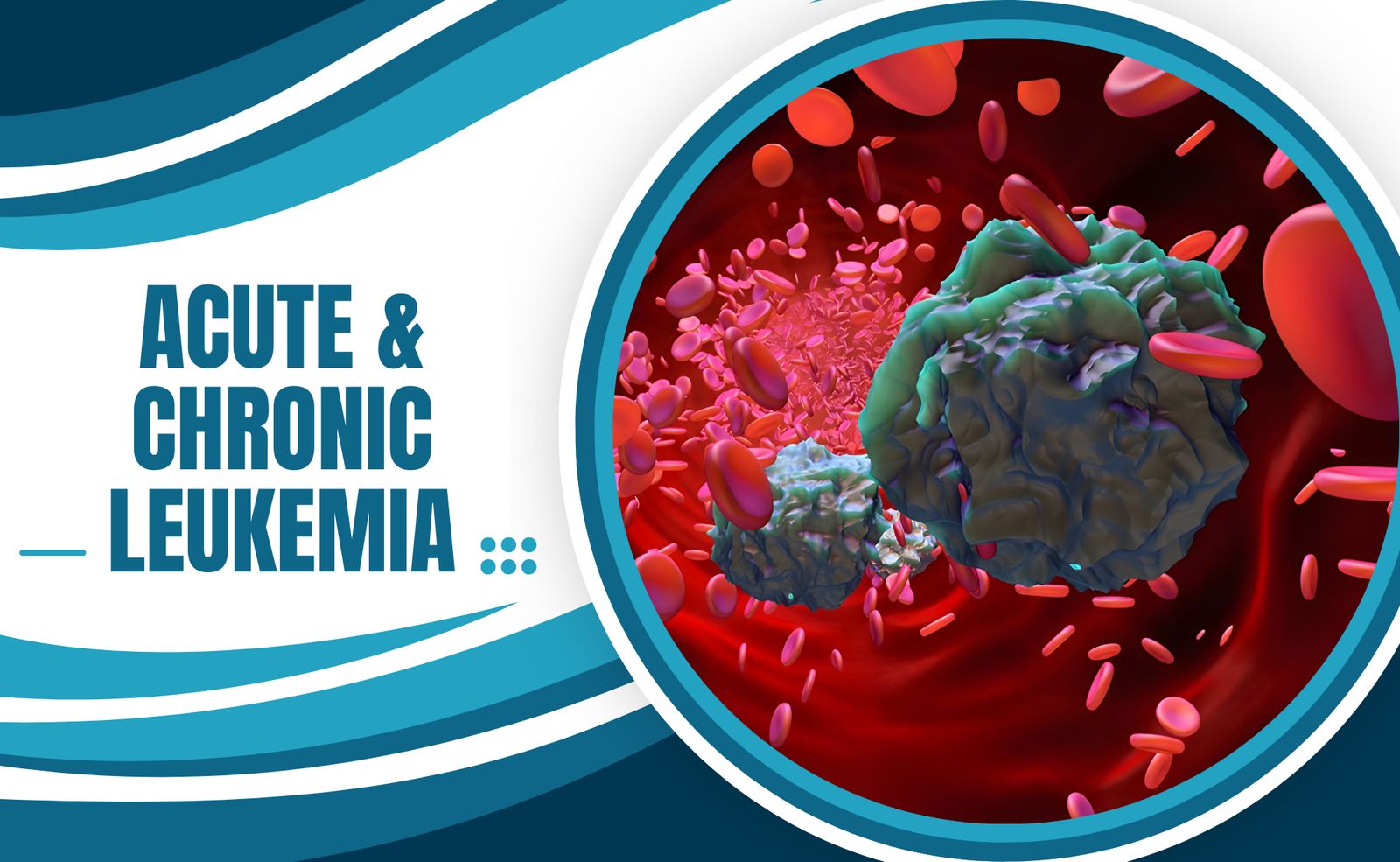
Acute & Chronic Leukemia
A diagnosis of leukemia can bring many questions, emotions, and uncertainties. Whether it’s acute or chronic leukemia, understanding the condition is the first step toward facing it with confidence. Today, with advanced medical treatments and personalized care, leukemia is far more manageable than ever before—many patients lead healthy, fulfilling lives after treatment.
This guide will help you clearly understand what leukemia is, how it is diagnosed, how acute and chronic leukemia differ, and what treatment options are available.
What Is Leukemia?
Leukemia is a blood cancer that starts in the bone marrow—the soft tissue inside bones where blood cells are made.
It affects the production of:
White blood cells (WBCs) – fight infection
Red blood cells (RBCs) – carry oxygen
Platelets – help in clotting
In leukemia, abnormal white blood cells grow uncontrollably, crowding out healthy cells and affecting the body’s immunity, oxygen levels, and clotting ability.
Types of Leukemia: Acute vs Chronic
Leukemia is broadly divided into acute and chronic types. The difference lies in how fast the disease develops and how the cells behave.
1. Acute Leukemia – Fast-growing
Acute leukemia develops suddenly and progresses rapidly.
It requires immediate treatment because the abnormal cells multiply quickly.
There are two major types:
Acute Lymphoblastic Leukemia (ALL)
Common in children but also affects adultsAcute Myeloid Leukemia (AML)
More common in adults and elderly patients
Key features of acute leukemia:
Sudden onset
Rapidly growing abnormal cells
Immediate treatment needed
High cure rates, especially in kids with ALL
2. Chronic Leukemia – Slow-growing
Chronic leukemia progresses gradually and may not cause symptoms initially.
Many patients are diagnosed during routine blood tests.
Two main types are:
Chronic Lymphocytic Leukemia (CLL)
Mostly affects older adultsChronic Myeloid Leukemia (CML)
Connected with a genetic change called the Philadelphia chromosome
Key features of chronic leukemia:
Slow progression
Often symptom-free at early stages
Treatment varies from observation to targeted therapy
Many patients lead normal lives for years
Common Symptoms of Leukemia
Symptoms depend on the type and stage, but common signs include:
Persistent fatigue or weakness
Frequent fevers or infections
Unexplained weight loss
Easy bruising or bleeding
Pale skin
Bone or joint pain
Swollen lymph nodes
Breathlessness
Night sweats
If you or a loved one has these symptoms, consult a hematologist promptly.
How Leukemia Is Diagnosed
Early and accurate diagnosis is essential. Doctors may recommend:
1. Complete Blood Count (CBC)
This test detects abnormal blood cell levels.
2. Peripheral Smear
A drop of blood is examined under a microscope to look for leukemia cells.
3. Bone Marrow Biopsy
A small sample from the hip bone is used to confirm the diagnosis and identify the type.
4. Genetic & Molecular Tests
These help determine mutations like BCR-ABL, which guides treatment planning.
5. Imaging Tests
Used to check organ involvement.
Accurate diagnosis helps doctors choose the most effective and personalized treatment.
Treatment Options for Acute & Chronic Leukemia
Modern leukemia treatment focuses on eliminating cancer cells while preserving quality of life. Treatment depends on:
Type of leukemia
Age and overall health
Genetic mutations
Stage of disease
Here are key treatment options:
1. Chemotherapy
The primary treatment for acute leukemia.
It destroys rapidly growing leukemia cells and helps achieve remission.
2. Targeted Therapy
Used especially in CML and some cases of AML and ALL.
These medicines block specific gene mutations (like BCR-ABL) that allow cancer cells to grow.
Patients with CML often lead long, healthy lives with daily targeted pills.
3. Immunotherapy
Helps the immune system recognize and destroy leukemia cells.
Includes monoclonal antibodies and CAR T-cell therapy in selected cases.
4. Bone Marrow or Stem Cell Transplant
Replaces diseased bone marrow with healthy donor stem cells.
Often recommended for high-risk acute leukemia or relapsed cases.
5. Supportive Care
Includes antibiotics, blood transfusions, nutrition support, and medicines to raise blood counts.
Supportive care plays a vital role in managing symptoms and improving comfort.
Living with Leukemia: What Patients Should Know
Leukemia treatment is a journey that requires medical, emotional, and lifestyle support.
Here are tips that help during recovery:
Eat a balanced, protein-rich diet
Maintain good hygiene
Avoid crowded places during low immunity periods
Stay hydrated
Take medicines on time
Get regular follow-up blood tests
Talk openly with your doctor
Lean on family for support
With proper care and modern treatment, many patients return to normal routines and enjoy full, active lives.
Frequently Asked Questions (FAQs)
1. Is leukemia curable?
Yes. Many types—especially ALL in children, AML in early stages, and CML with targeted therapy—are highly treatable and often curable.
2. How long does treatment for acute leukemia take?
Treatment usually lasts several months, starting with intensive therapy and followed by maintenance therapy to prevent relapse.
3. Can chronic leukemia be managed without immediate treatment?
Yes. Some patients with CLL only need regular monitoring (“watch and wait”) until active treatment becomes necessary.
4. What is the survival rate for leukemia?
Survival depends on age, type of leukemia, and genetics. With modern therapies, survival rates have improved significantly.
5. Is a bone marrow transplant always needed?
No. Transplants are recommended only in specific cases, usually when standard treatments are not sufficient or for high-risk leukemia.
6. What lifestyle changes help during treatment?
Healthy eating, hygiene, adequate sleep, emotional support, and avoiding infections help strengthen the body during therapy.
7. Can leukemia come back after treatment?
It can, depending on the type and stage. Regular follow-ups help detect and treat relapse early.
8. Are children treated differently from adults?
Yes. Children often respond better to treatment and have higher cure rates, especially in ALL.