


 24 Hour Emergency Aid
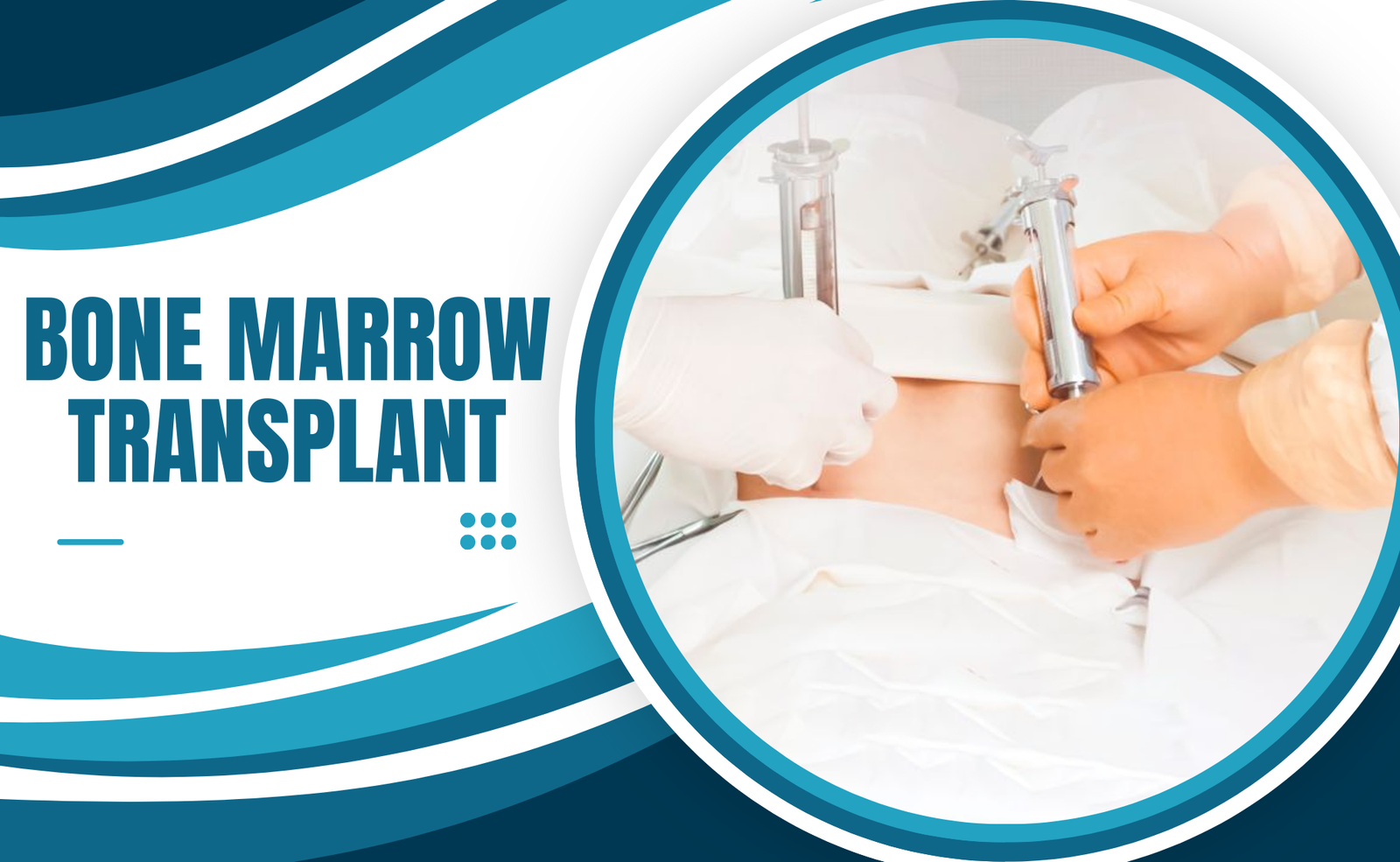
Bone Marrow Transplant
A Complete Guide for Patients & Families
A Bone Marrow Transplant (BMT)—also known as a Stem Cell Transplant—is a life-saving treatment that has transformed the outlook for people battling severe blood disorders and cancers. Over the years, BMT has evolved into one of the most promising treatments, giving thousands of patients a second chance at a healthy life.
If you or your loved one has been advised to undergo a bone marrow transplant, this guide will help you understand the treatment, the process, and what to expect.
What Is Bone Marrow and Why Is It Important?
Think of bone marrow as the body’s blood cell factory. It is a soft, sponge-like tissue inside our bones that produces:
Red blood cells – carry oxygen
White blood cells – fight infections
Platelets – help in clotting
When this factory stops working properly due to cancer, genetic diseases, or immune disorders, a bone marrow transplant becomes a powerful treatment option.
What Exactly Is a Bone Marrow Transplant?
A Bone Marrow Transplant replaces damaged or diseased bone marrow with healthy stem cells. These new stem cells help the body:
Rebuild a healthy blood system
Improve immunity
Fight infections
Reduce or remove the underlying disease
It’s like resetting the body’s internal system and giving it a fresh start.
Types of Bone Marrow Transplants
There are mainly two types:
1. Autologous Transplant (Auto-BMT)
Here, your own healthy stem cells are collected, stored, and given back after high-dose chemotherapy.
Best for: Lymphoma, multiple myeloma, certain solid tumors.
2. Allogeneic Transplant (Allo-BMT)
Stem cells come from a matched donor, usually a sibling or unrelated volunteer.
Best for: Leukemia, aplastic anemia, thalassemia, immune deficiencies, and other blood cancers.
Doctors decide the best type based on age, disease type, overall health, and donor options.
Who Needs a Bone Marrow Transplant?
A BMT is recommended for conditions where the bone marrow is damaged or not working properly. These include:
Leukemia (blood cancer)
Lymphoma
Multiple Myeloma
Aplastic Anemia
Thalassemia Major & Sickle Cell Disease
Severe Immune Deficiency Disorders
Certain genetic metabolic disorders
If you’re wondering whether BMT is the right treatment, your doctor will evaluate your condition thoroughly before recommending it.
The Bone Marrow Transplant Process: Step-by-Step
Many patients feel anxious when they hear the word “transplant.” But understanding the process can make it less overwhelming. Here’s how it works:
1. Pre-Transplant Evaluation
This includes blood tests, imaging, organ function tests, and consultations. Doctors ensure your body is strong enough to handle the transplant.
2. Conditioning Therapy
Also called pre-transplant chemotherapy, this step prepares your body by:
Destroying diseased cells
Suppressing the immune system so new cells can grow
3. Transplant Day (Stem Cell Infusion)
Healthy stem cells are infused into your bloodstream—just like a blood transfusion.
There is no surgery involved.
4. Engraftment
This is when the new stem cells start producing healthy blood cells.
It usually takes 2–3 weeks.
5. Recovery & Monitoring
Patients stay under close observation in a sterile room to avoid infections. The timeline varies based on the type of transplant and overall health.
Benefits of Bone Marrow Transplant
A successful BMT can:
Cure or control life-threatening cancers
Restore normal blood cell production
Strengthen the immune system
Improve overall quality of life
Offer long-term survival
For many patients, it is the only curative option.
Is Bone Marrow Transplant Painful?
The transplant itself is not painful.
It feels like a regular drip or IV infusion.
Some discomfort may occur due to chemotherapy, but doctors provide medications to manage side effects effectively.
Possible Side Effects (and Why You Shouldn’t Panic)
While BMT is a powerful treatment, it may bring temporary side effects such as:
Fatigue
Nausea
Weak immunity
Mouth sores
Low blood counts
In allogeneic transplants, some patients may experience Graft vs Host Disease (GVHD), where donor cells react against the patient’s body.
However, experienced transplant teams are well-equipped to prevent and manage these conditions.
Life After a Bone Marrow Transplant
Recovery takes time, but the results are worth it.
Most patients gradually return to normal life within:
3–6 months (Autologous BMT)
6–12 months (Allogeneic BMT)
With good nutrition, hygiene, regular check-ups, and emotional support, patients regain strength and immunity steadily.
Frequently Asked Questions
Is a donor always needed?
No. Only allogeneic transplants require a donor. Autologous transplants use your own stem cells.
Can BMT cure cancer?
Yes, for many blood cancers, BMT offers the best chance for long-term remission or cure.
Is it safe for children?
Yes, children with conditions like thalassemia, leukemia, or immunodeficiency often benefit the most.
Final Words: A Treatment That Saves Lives
A Bone Marrow Transplant may sound intimidating, but it is one of the most advanced and effective treatments available today. With early diagnosis, expert care, and strong emotional support, patients can overcome even the toughest challenges.
If you or a loved one is considering BMT, consult a qualified and experienced Bone Marrow Transplant specialist to understand your options and begin the journey toward recovery.