



 24 Hour Emergency Aid
Immunotherapy
Cancer treatment has evolved dramatically in the last two decades. Among all the new advancements, immunotherapy stands out as one of the most promising, innovative, and life-changing treatments available today. Unlike traditional treatment methods, immunotherapy doesn’t just attack cancer from the outside—it empowers your own immune system to recognize and destroy cancer cells from within.
If you or your loved one has been advised immunotherapy, this guide will help you understand what it is, how it works, and what to expect throughout the journey.
What Is Immunotherapy?
Immunotherapy is a type of cancer treatment that helps your immune system:
Identify cancer cells
Attack them effectively
Prevent cancer from coming back
Your immune system is naturally designed to protect you from harmful substances. But cancer cells can hide or disguise themselves. Immunotherapy gives your immune system the tools and strength it needs to spot and fight cancer more efficiently.
How Does Immunotherapy Work?
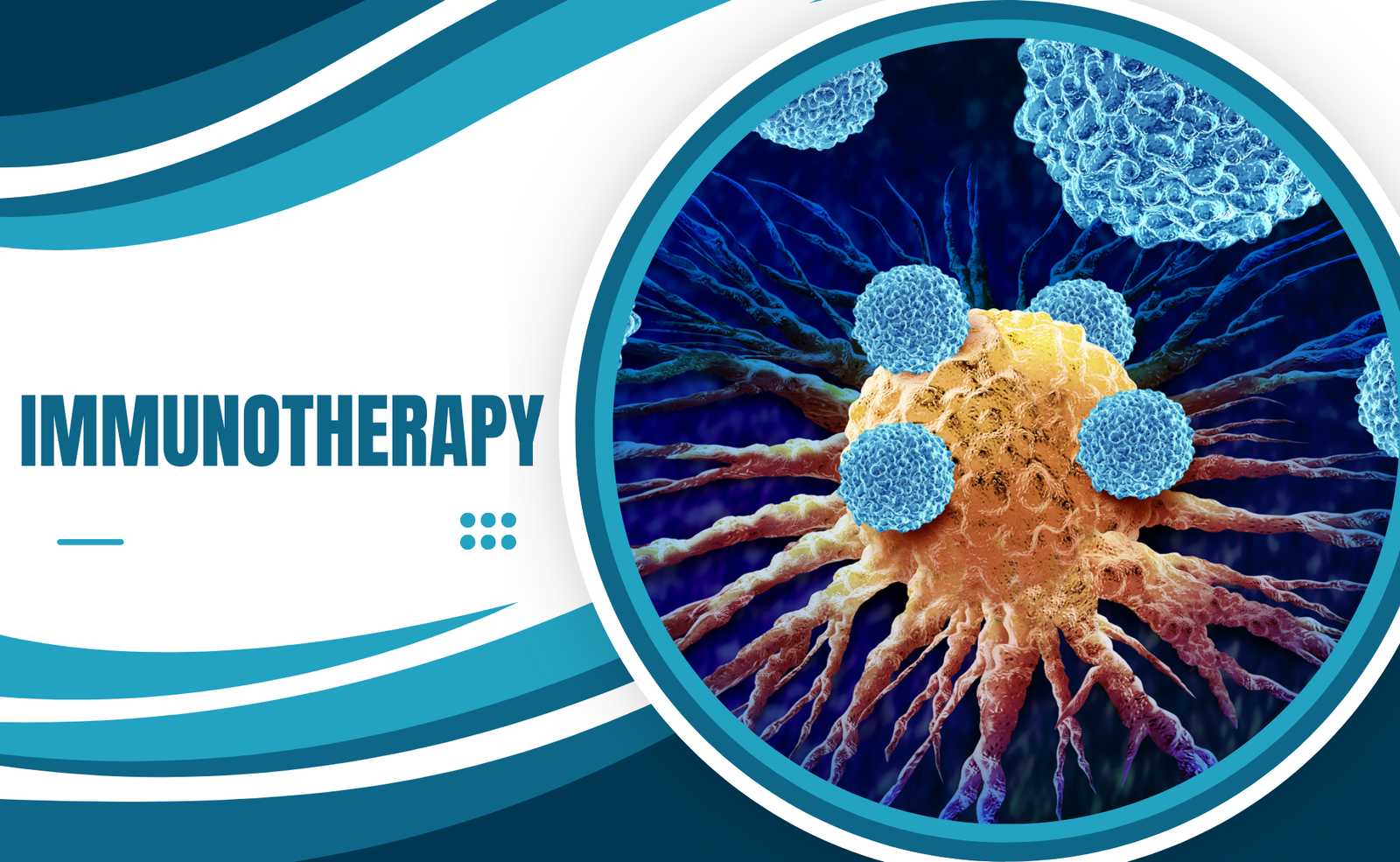
Think of your immune system as a security team and cancer cells as intruders wearing disguises. Immunotherapy removes those disguises and strengthens the security team, allowing it to detect and eliminate the intruders.
Immunotherapy works by:
Boosting the immune system’s ability to fight
Helping immune cells recognize cancer more clearly
Breaking down cancer’s defense mechanisms
Giving long-lasting protection in many cases
This unique approach makes immunotherapy particularly effective for certain cancers, even in advanced stages.
Types of Immunotherapy
There are several forms of immunotherapy, each designed to help your body fight cancer in a specific way:
1. Immune Checkpoint Inhibitors
These drugs release the “brakes” on immune cells, allowing them to attack cancer more strongly.
Commonly used for:
Lung cancer
Melanoma
Kidney cancer
Head and neck cancers
2. CAR T-Cell Therapy
A groundbreaking treatment where doctors modify a patient’s T-cells (immune cells) in a lab to make them better at killing cancer.
Especially effective for:
Blood cancers like leukemia and lymphoma
3. Monoclonal Antibodies
These are lab-made proteins that attach to specific targets on cancer cells, helping the immune system identify and destroy them.
4. Cancer Vaccines
These are not preventive vaccines like flu shots but therapeutic vaccines designed to stimulate the immune system against existing cancer cells.
5. Cytokine Therapy
Cytokines are proteins that help regulate the immune response. They are used to increase the activity of immune cells.
Your oncologist will choose the right type based on the cancer type, genetic profile, stage, and overall health.
Who Can Benefit From Immunotherapy?
Immunotherapy has revolutionized treatment for many cancers, including:
Lung cancer
Melanoma (skin cancer)
Kidney cancer
Liver cancer
Bladder cancer
Head & neck cancers
Hodgkin’s lymphoma
Non-Hodgkin’s lymphoma
Certain types of leukemia
Triple-negative breast cancer
Not every patient is a candidate for immunotherapy. Your doctor may run tests to check for biomarkers like PD-L1, MSI, or genetic mutations to determine if immunotherapy will work effectively.
What to Expect During Immunotherapy Treatment
One of the biggest advantages of immunotherapy is its convenience and comfort. Most treatments are done through:
IV infusions
Injections
Oral medications (in rare cases)
A typical immunotherapy session may include:
Health check – Your vitals and symptoms are reviewed.
Blood tests – To monitor liver, kidneys, and immune function.
Infusion – The medicine is given through a drip.
Observation – You may be monitored briefly for reactions.
Most patients can go home the same day and continue their normal activities with minimal restrictions.
Benefits of Immunotherapy
Immunotherapy offers several advantages compared to traditional cancer treatments:
1. Long-lasting protection
Immunotherapy can “train” the immune system, offering extended benefits even after treatment ends.
2. Fewer long-term side effects
Many patients experience fewer side effects compared to chemotherapy.
3. Effective against advanced cancers
Immunotherapy has shown dramatic results in cancers that do not respond well to chemo or radiation.
4. Personalized treatment
Based on biomarkers and genetic makeup, immunotherapy can be tailored specifically to each patient.
Side Effects: What Patients Should Know
While immunotherapy is generally well-tolerated, it can cause side effects because it activates the immune system.
Common side effects include:
Fatigue
Fever
Skin rashes
Cough
Joint or muscle pain
Mild digestive discomfort
In rare cases, the immune system may become overactive and attack healthy organs. This is why regular monitoring is essential.
Doctors manage these side effects with medications like steroids or immune-suppressants when needed.
How to Support Yourself During Immunotherapy
Here are some simple, effective tips to stay strong during treatment:
Eat a balanced diet rich in fruits, vegetables, and proteins
Keep yourself hydrated
Do light physical activity
Get plenty of rest
Avoid smoking and alcohol
Maintain regular follow-up appointments
Report any new symptoms early
Stay emotionally connected with friends and family
Your overall well-being plays an important role in how well your body responds to treatment.
Life After Immunotherapy
Many patients can return to their normal routine or continue working during and after immunotherapy.
Regular follow-up is important to:
Track tumour response
Manage late side effects
Monitor immune system activity
For several patients, immunotherapy provides long-term remission and improved quality of life.