

 24 Hour Emergency Aid
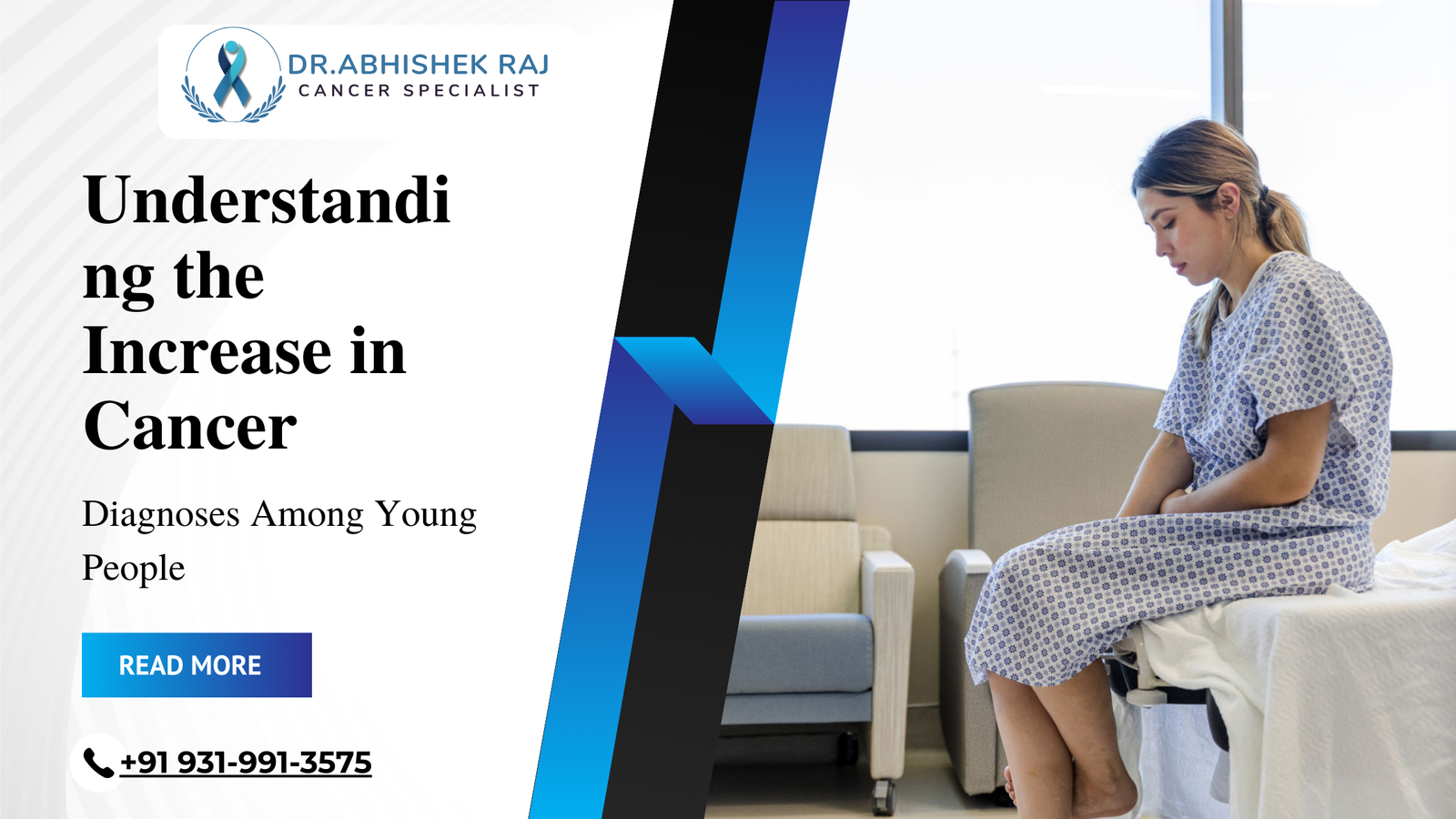
Understanding the Increase in Cancer Diagnoses Among Young People
In recent years, healthcare professionals across the world have observed a concerning trend: cancer diagnoses are increasing among young people. Traditionally considered a disease of older adults, cancer is now being detected more frequently in individuals under the age of 50. This shift has raised important questions about lifestyle, environmental exposure, genetics, and the evolving nature of modern healthcare.
Understanding why this increase is happening is essential for early prevention, timely diagnosis, and effective treatment.
A Growing Global Concern
Several large-scale studies have reported a steady rise in early-onset cancers, particularly colorectal, breast, thyroid, and blood cancers. While overall cancer survival rates have improved due to advancements in treatment, the rising number of younger patients presents new challenges for healthcare systems.
Young adults often do not consider themselves at risk, which can lead to delayed diagnosis. This makes awareness and education a critical component of cancer care today.
Key Factors Contributing to Early-Onset Cancer
1. Lifestyle and Dietary Changes
Modern lifestyles have undergone significant changes over the past few decades. Increased consumption of processed foods, sugary beverages, and red meat, combined with lower intake of fruits, vegetables, and fiber, has been linked to higher cancer risk. Physical inactivity, obesity, and long hours of sedentary work further contribute to this growing problem.
2. Environmental Exposure
Young people today are exposed to more environmental pollutants than previous generations. Air pollution, industrial chemicals, pesticides, and endocrine-disrupting substances may play a role in triggering cancer development at earlier ages.
3. Rising Obesity Rates
Obesity is now recognized as a major risk factor for several types of cancer, including breast, colorectal, pancreatic, and liver cancer. The increasing prevalence of obesity among children and young adults may explain part of the rise in cancer diagnoses.
4. Genetic and Family History
While genetics account for a smaller percentage of overall cancer cases, inherited mutations can significantly increase risk. Young individuals with a family history of cancer should consider genetic counseling and regular screening under the guidance of a specialist, such as the Best Medical Oncologist in Noida, to detect potential issues early.
5. Improved Screening and Awareness
Not all of the increase is due to rising incidence alone. Advances in diagnostic technology and better awareness have led to earlier and more frequent detection. In many cases, cancers that may have gone unnoticed in the past are now being identified sooner.
Why Early Detection Matters
Cancer detected at an early stage is often more treatable and associated with better outcomes. Unfortunately, symptoms in young patients are sometimes overlooked or mistaken for common health issues. Persistent fatigue, unexplained weight loss, changes in bowel habits, unusual lumps, or prolonged pain should never be ignored.
Consulting an experienced specialist, such as the Best Medical Oncologist in Noida, ensures that symptoms are evaluated thoroughly and accurately.
The Role of Medical Oncology in Young Patients
Medical oncologists play a central role in cancer care, from diagnosis and staging to treatment planning and long-term follow-up. For younger patients, treatment decisions must consider fertility preservation, long-term side effects, mental health, and quality of life.
A personalized approach, guided by the Best Medical Oncologist in Noida, helps ensure that therapy is both effective and tailored to the patient’s unique needs.
Prevention and Risk Reduction
While not all cancers can be prevented, adopting healthier habits can significantly reduce risk:
Maintain a balanced diet rich in fruits, vegetables, and whole grains
Engage in regular physical activity
Avoid tobacco and limit alcohol consumption
Manage stress and prioritize mental well-being
Attend regular health check-ups and screenings
Education and preventive care, supported by expert guidance from the Best Medical Oncologist in Noida, can make a meaningful difference.
Moving Forward
The increase in cancer diagnoses among young people is a complex issue influenced by lifestyle, environment, and biology. Addressing it requires a combination of public awareness, early screening, preventive strategies, and access to specialized care.
By staying informed and proactive, individuals and healthcare providers can work together to detect cancer early, improve outcomes, and support young patients through every stage of their journey.