

 24 Hour Emergency Aid
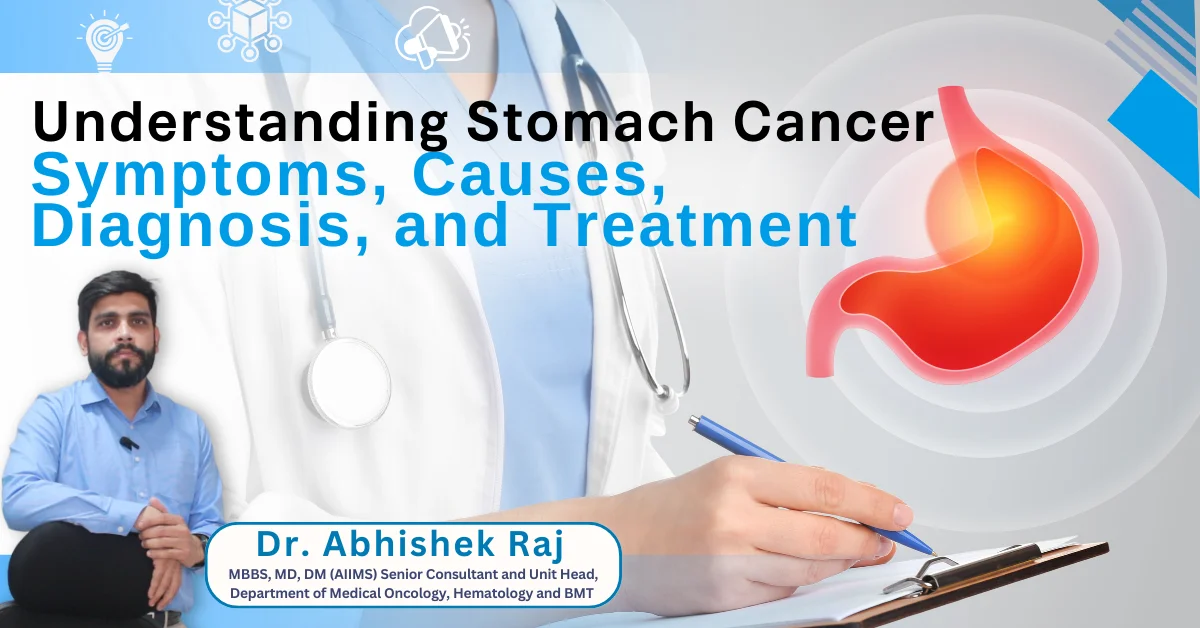
Understanding Stomach Cancer
Causes, Symptoms, Diagnosis & Treatment
Stomach cancer—also known as gastric cancer—is one of the leading causes of cancer-related deaths worldwide. Although its incidence has decreased over the years, it continues to be a serious health concern, especially because it is often diagnosed at an advanced stage. Understanding its early warning signs, risk factors, and treatment options can significantly improve outcomes and save lives.
In this blog, we will break down everything you need to know about stomach cancer in simple, easy-to-understand language.
What Is Stomach Cancer?
Stomach cancer develops when abnormal cells in the stomach grow uncontrollably, forming a tumor. In most cases, the cancer begins in the innermost lining of the stomach (the mucosa). This type is called adenocarcinoma, which accounts for more than 90% of all stomach cancers.
Depending on where it starts, stomach cancer can spread to nearby organs such as the liver, pancreas, and esophagus. Early detection is therefore extremely important.
Common Causes and Risk Factors
There is no single cause of stomach cancer, but several factors increase a person’s risk:
1. Helicobacter pylori (H. pylori) Infection
A long-term infection with H. pylori bacteria can lead to chronic inflammation and ulcers, increasing cancer risk.
2. Diet and Lifestyle
High consumption of salted, smoked, or pickled foods
Low intake of fresh fruits and vegetables
Smoking and alcohol intake
3. Medical Conditions
Chronic gastritis
Stomach polyps
Pernicious anemia
4. Genetic Factors
A family history of gastric cancer or inherited syndromes can also elevate the chance of developing the disease.
5. Age and Gender
Stomach cancer is more common in men and usually occurs after age 55.
Warning Signs & Symptoms
In its early stages, stomach cancer may not cause noticeable symptoms. However, as the disease progresses, patients may experience:
Persistent indigestion or heartburn
Loss of appetite
Nausea or vomiting
A feeling of fullness after eating small amounts
Unexplained weight loss
Stomach pain or discomfort
Fatigue
Blood in stool or black-colored stools
Because these symptoms can resemble common digestive issues, many people ignore them. Awareness and timely evaluation can make a life-saving difference.
How Is Stomach Cancer Diagnosed?
If a doctor suspects stomach cancer, several diagnostic tests may be recommended:
1. Endoscopy
A thin tube with a camera is inserted through the mouth to examine the stomach lining. This is the most important test.
2. Biopsy
During an endoscopy, a small sample of tissue is taken and examined for cancer cells.
3. Imaging Tests
CT Scan
MRI
PET Scan
These help determine the cancer’s stage and spread.
4. Blood Tests
These may reveal anemia, nutritional deficiencies, or tumor markers.
Stages of Stomach Cancer
Stomach cancer is staged from I to IV:
Stage I: Cancer is limited to the stomach lining.
Stage II: Cancer has spread deeper into the stomach wall or lymph nodes.
Stage III: Extensive involvement of lymph nodes or deeper invasion.
Stage IV: Cancer has spread to distant organs (metastatic stage).
Early-stage cancer has a much better prognosis than advanced stages.
Treatment Options for Stomach Cancer
The best treatment depends on the stage, type, and overall health of the patient. A multidisciplinary team approach gives the best results.
1. Surgery
Removal of part or all of the stomach (gastrectomy) is the primary treatment for early-stage cancer.
2. Chemotherapy
Drugs are used to destroy cancer cells. It may be given before surgery (neoadjuvant) or after surgery (adjuvant).
3. Radiation Therapy
Often used along with chemotherapy to kill remaining cancer cells.
4. Targeted Therapy
These drugs specifically target cancer cells without affecting healthy cells.
5. Immunotherapy
A newer treatment option that boosts the body’s immune system to fight cancer.
6. Palliative Care
For advanced stages, treatment focuses on improving quality of life and reducing symptoms.
Can Stomach Cancer Be Prevented?
While prevention isn’t always possible, certain lifestyle changes can reduce risk:
Eat a diet rich in fruits and vegetables
Reduce intake of smoked and salted foods
Quit smoking
Limit alcohol
Treat H. pylori infection early
Maintain a healthy weight
Regular checkups are especially important for people with a strong family history.
Frequently Asked Questions (FAQs)
1. What is the earliest sign of stomach cancer?
Early signs may include persistent indigestion, bloating, or mild stomach discomfort. Unfortunately, early stomach cancer often causes very few symptoms.
2. Is stomach cancer curable?
Yes. When detected early, stomach cancer can be cured through surgery and other treatments. Advanced cases may require a combination of therapies.
3. How fast does stomach cancer grow?
Stomach cancer can grow slowly over years, but once symptoms appear, it often indicates more advanced disease.
4. Does stomach cancer run in families?
Yes, a family history of gastric cancer or certain inherited conditions can increase risk.
5. What foods should be avoided?
Smoked meats, very salty foods, pickled items, processed meats, and excessive alcohol may increase the risk.
6. When should I see a doctor?
Seek medical attention if you have persistent symptoms like indigestion, nausea, unexplained weight loss, or difficulty swallowing.