

 24 Hour Emergency Aid
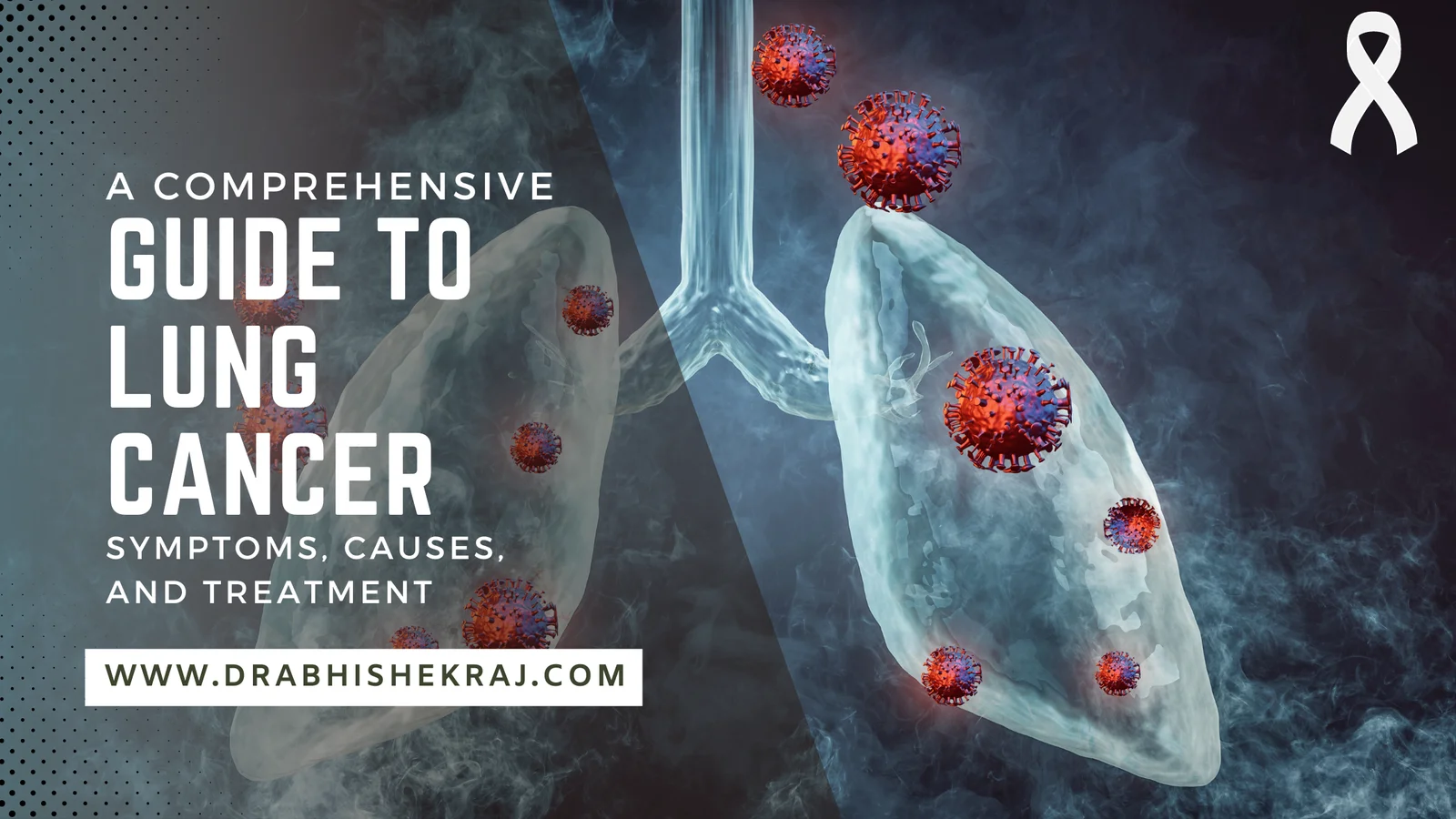
A Comprehensive Guide to Lung Cancer
Symptoms, Causes, and Treatment
Lung cancer is one of the most common and serious types of cancer worldwide. It affects millions of people every year and is often diagnosed at an advanced stage because symptoms can be subtle in the beginning. Understanding lung cancer—its causes, warning signs, diagnosis, and treatment—can help individuals take timely action and improve chances of successful recovery.
This comprehensive guide will walk you through everything you need to know about lung cancer in simple, easy-to-understand language.
What Is Lung Cancer?
Lung cancer develops when abnormal cells in the lungs grow uncontrollably, forming a tumor that interferes with normal lung function. These cancer cells can spread to nearby tissues and other parts of the body—a process known as metastasis.
There are two major types:
1. Non–Small Cell Lung Cancer (NSCLC)
This is the most common type, accounting for around 85% of cases. It includes adenocarcinoma, squamous cell carcinoma, and large cell carcinoma.
2. Small Cell Lung Cancer (SCLC)
A more aggressive form that grows and spreads quickly. It is strongly associated with smoking.
Understanding which type you have helps determine the best treatment plan.
Common Causes and Risk Factors of Lung Cancer
Lung cancer doesn’t happen overnight. Several factors can increase a person’s risk. Some are lifestyle-related, while others are environmental or genetic.
1. Smoking
Smoking is the leading cause of lung cancer, responsible for nearly 85% of cases. Cigarette smoke contains over 7,000 chemicals, many of which are carcinogenic.
2. Secondhand Smoke
Regular exposure to smoke from others’ cigarettes can also increase lung cancer risk.
3. Air Pollution
Long-term exposure to polluted air, industrial smoke, and vehicle emissions can raise the risk of lung cancer.
4. Occupational Exposure
Chemicals such as asbestos, arsenic, diesel fumes, and uranium have been linked to lung cancer.
5. Family History and Genetics
A person with close relatives diagnosed with lung cancer may have a higher chance of developing the disease.
6. Radon Gas
A naturally occurring radioactive gas that can accumulate in homes and buildings, radon is a silent but significant risk factor.
Signs and Symptoms of Lung Cancer
In early stages, lung cancer may not cause obvious symptoms, which is why many cases are diagnosed late. However, as the disease progresses, it begins to show warning signs.
Most Common Symptoms:
Persistent cough that doesn’t go away
Shortness of breath
Chest pain or discomfort
Coughing up blood (even small amounts)
Frequent lung infections such as pneumonia or bronchitis
Hoarseness or voice changes
Unexplained weight loss
Fatigue and loss of appetite
Wheezing or difficulty breathing
If you experience these symptoms for more than a few weeks—especially if you smoke—it’s important to consult a doctor immediately.
How Is Lung Cancer Diagnosed?
Diagnosis involves a combination of imaging tests, laboratory tests, and tissue sampling to confirm the presence of cancer and determine its stage.
1. Chest X-ray
Often the first test performed to detect abnormalities in the lungs.
2. CT Scan
Provides a detailed cross-sectional image of the lungs and helps identify the size and spread of tumors.
3. PET Scan
Helps detect cancer spread in the body.
4. Biopsy
A small tissue sample is removed from the lung and examined under a microscope. This is the most important test for confirming cancer.
5. Blood Tests
Blood tests alone cannot detect lung cancer but can give supporting information about overall health.
6. Bronchoscopy
A thin tube is passed into the lungs to view the airways and collect tissue samples.
Understanding the stage (I to IV) is crucial for determining the right treatment.
Treatment Options for Lung Cancer
Treatment depends on the type of lung cancer, its stage, and overall health of the patient. Today, many advanced therapies offer better outcomes and improved quality of life.
1. Surgery
Best for early-stage lung cancer. The surgeon may remove a small portion of the lung, a lobe, or the entire lung.
2. Chemotherapy
Uses powerful drugs to destroy cancer cells. It can be given before surgery (neoadjuvant), after surgery (adjuvant), or as the main treatment in advanced stages.
3. Radiation Therapy
High-energy rays are used to target and kill cancer cells. It is often combined with chemotherapy.
4. Targeted Therapy
These medicines block specific parts of cancer cells that help them grow. They are especially effective for patients with gene mutations like EGFR, ALK, or ROS1.
5. Immunotherapy
A revolutionary treatment that boosts the immune system to fight cancer cells more effectively. Drugs like checkpoint inhibitors have shown great success in many patients.
6. Palliative Care
Helps manage symptoms and improve quality of life in advanced stages of lung cancer.
Can Lung Cancer Be Prevented?
While not all cases can be prevented, adopting healthy habits can significantly reduce risk:
Quit smoking and avoid exposure to secondhand smoke
Test homes for radon gas
Wear protective gear if exposed to chemicals at work
Maintain a healthy diet and exercise regularly
Reduce air pollution exposure
Get regular health check-ups, especially if you smoke
Early screening (low-dose CT scan) is recommended for high-risk individuals such as long-time smokers.
Frequently Asked Questions (FAQs)
1. What is the first sign of lung cancer?
A persistent cough is often the earliest and most common sign of lung cancer.
2. Is lung cancer curable?
Lung cancer is curable in its early stages, especially with surgery. Advanced cases can be managed with treatments like targeted therapy, immunotherapy, and chemotherapy.
3. Can non-smokers get lung cancer?
Yes. Although smoking is the main cause, non-smokers can develop lung cancer due to air pollution, radon exposure, genetics, and occupational hazards.
4. How long can a person live with lung cancer?
Survival depends on the stage at diagnosis, overall health, and response to treatment. Early detection greatly improves survival rates.
5. When should I see a doctor?
If you have a cough lasting more than 3 weeks, unexplained chest pain, blood in sputum, or persistent breathlessness, visit a doctor promptly.