
 24 Hour Emergency Aid
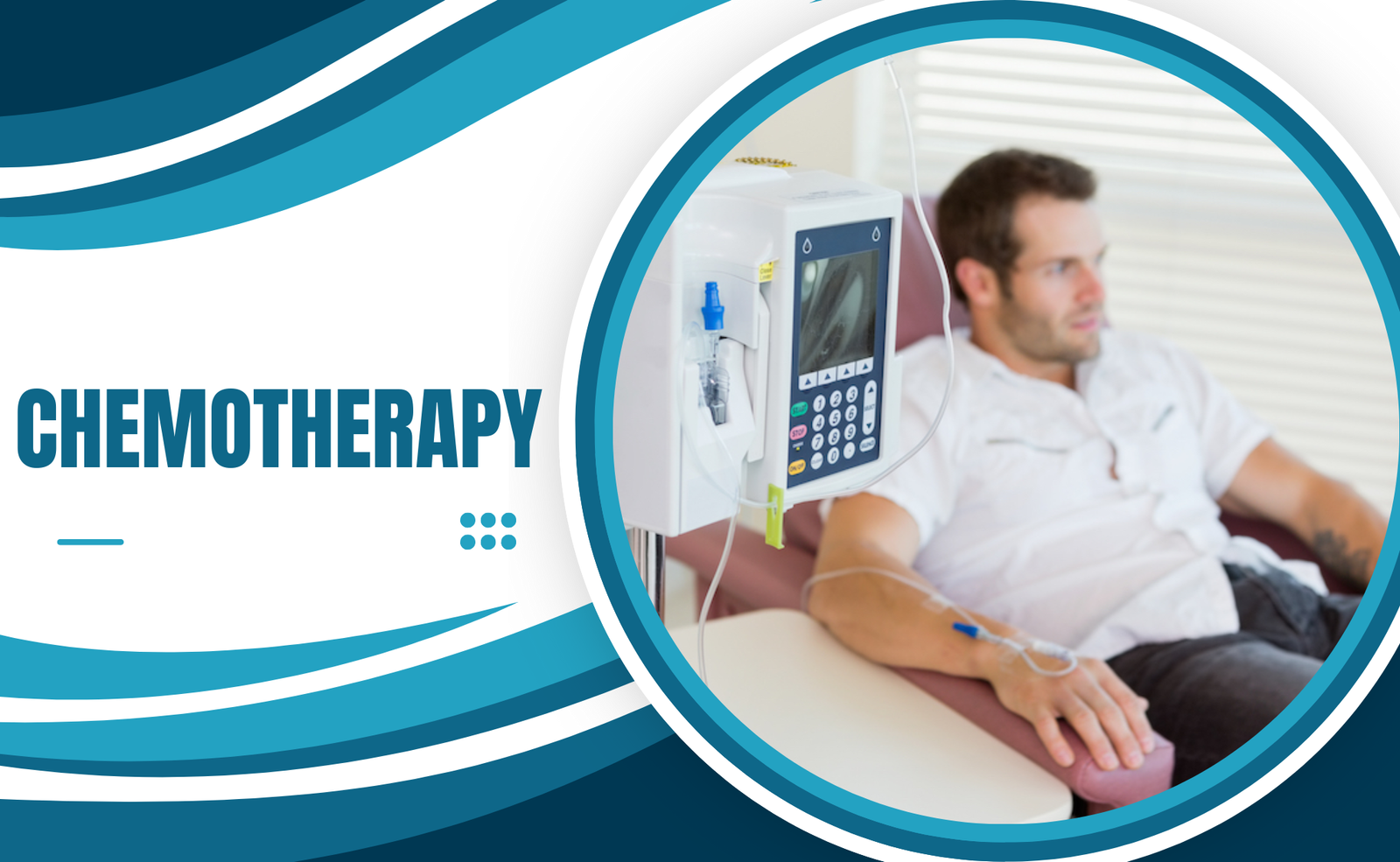
Chemotherapy
A Complete, Easy-to-Understand Guide for Patients & Families
When you first hear the word chemotherapy, it’s natural to feel nervous or overwhelmed. Most people imagine something painful, complicated, or frightening. But the truth is: chemotherapy is one of the most effective and widely used cancer treatments, helping millions of patients fight cancer and reclaim their lives.
This guide will walk you through what chemotherapy really is, how it works, what to expect, and how you can make the journey easier. Let’s simplify it—step by step.
What Is Chemotherapy?
Chemotherapy (often called chemo) is a medical treatment that uses powerful medicines to:
Destroy cancer cells
Stop their growth
Prevent them from spreading
Think of it as a smart attack system that targets fast-growing cancer cells and stops them from multiplying.
Cancer cells grow quickly and uncontrollably—and chemotherapy is designed to interrupt that process.
How Does Chemotherapy Work?
Cancer cells divide very rapidly. Chemotherapy drugs aim to:
Damage the DNA of cancer cells
Block cell division
Trigger cell death
Prevent tumors from spreading
While chemo mainly targets cancer cells, some normal fast-growing cells (like hair follicles, mouth lining, and bone marrow) can also be affected. This is why side effects happen—but don’t worry, most effects are temporary and manageable.
Why Do Doctors Recommend Chemotherapy?
Chemotherapy may be given alone, or along with other treatments like surgery, radiation, immunotherapy, or targeted therapy. Your doctor may recommend chemo for several reasons:
1. To Cure Cancer
In some cancers, chemo can destroy every cancer cell, leading to a complete cure.
2. To Control Cancer
Chemo can shrink tumors, slow cancer growth, or stop it from spreading.
3. To Prepare for Surgery (Neoadjuvant therapy)
Chemo shrinks tumors so that surgery becomes safer and more effective.
4. To Kill Remaining Cells After Surgery (Adjuvant therapy)
Even after removing a tumor, tiny cancer cells may remain. Chemo wipes them out.
5. To Ease Symptoms
If cancer is advanced, chemo can reduce pain, pressure, or discomfort caused by tumors.
Types of Chemotherapy Treatments
There are hundreds of chemotherapy drugs, and doctors choose them based on the type of cancer, its stage, and the patient’s health. Chemo can be given in different ways:
1. Intravenous (IV) Chemo
The most common method—medicines go directly into the bloodstream.
2. Oral Chemotherapy
Pills or capsules taken at home.
3. Injected Chemo
Given under the skin or into a muscle.
4. Topical Chemo
Creams applied to the skin (used for some skin cancers).
5. Intrathecal / Intraperitoneal / Intravesical Chemo
Special methods where chemo is given into specific areas like the spinal fluid, abdomen, or bladder—depending on the disease.
Your doctor will explain which option suits your condition best.
What Happens Before Starting Chemotherapy?
Before beginning treatment, your medical team performs a thorough evaluation:
Blood tests
Scans
Heart and kidney function tests
Review of your medical history
Discussion about possible side effects
Creation of a personalized treatment plan
This ensures your body is ready for chemo and helps your doctor choose the safest and most effective medicines.
During Chemotherapy: What to Expect
Each chemotherapy session is called a cycle. Depending on your treatment plan, cycles may occur weekly, every two weeks, or monthly.
Here’s what a typical session includes:
1. Check-up & blood tests
Doctors ensure your blood counts are safe before giving chemo.
2. Pre-medication
Medicines to prevent nausea, allergy, or discomfort.
3. Chemotherapy infusion or medication
This may take 30 minutes to several hours. Most patients sit comfortably, watch movies, read, or rest.
4. Observation
You may be monitored briefly after the session.
Most patients go home the same day and can continue doing everyday activities unless advised otherwise.
Common Side Effects of Chemotherapy
(Not everyone experiences all of them!)
Chemotherapy affects not only cancer cells but also some healthy fast-growing cells. This may cause:
Hair fall
Fatigue
Nausea or vomiting
Low blood counts
Mouth sores
Loss of appetite
Skin dryness
Temporary weight changes
The good news?
Most side effects are temporary, manageable, and go away once treatment ends.
Modern medicines and supportive care have greatly reduced side effects—many patients continue working or studying during chemo.
How to Manage Chemotherapy Side Effects
Doctors and nurses will guide you throughout your treatment, but here are some helpful tips:
Stay hydrated
Eat small, nutritious meals
Avoid junk food and raw street food
Maintain good oral hygiene
Rest whenever needed
Wear soft, comfortable clothing
Avoid crowded places during low immunity days
Report any unusual symptoms immediately
With proper care, most patients handle chemotherapy much better than they expect.
Life During Chemotherapy: Staying Positive & Strong
Chemotherapy is not just a medical treatment—it’s a journey that affects your mind, body, and emotions. Here’s how to make it easier:
Talk to your doctor about your worries
Stay active with light walks or yoga
Connect with family and friends
Join support groups
Practice meditation or deep breathing
Celebrate small victories
Remember: you are stronger than you think.
Myths About Chemotherapy (And the Truth!)
Myth 1: Chemo is always painful
Truth: The infusion is usually painless—like a normal drip.
Myth 2: Everyone loses their hair
Truth: Not all chemo drugs cause hair fall.
Myth 3: Chemo means hospitalization
Truth: Most patients receive chemo as day care and go home the same day.
Myth 4: Life becomes completely restricted
Truth: Many people continue daily activities with slight adjustments.