
 24 Hour Emergency Aid
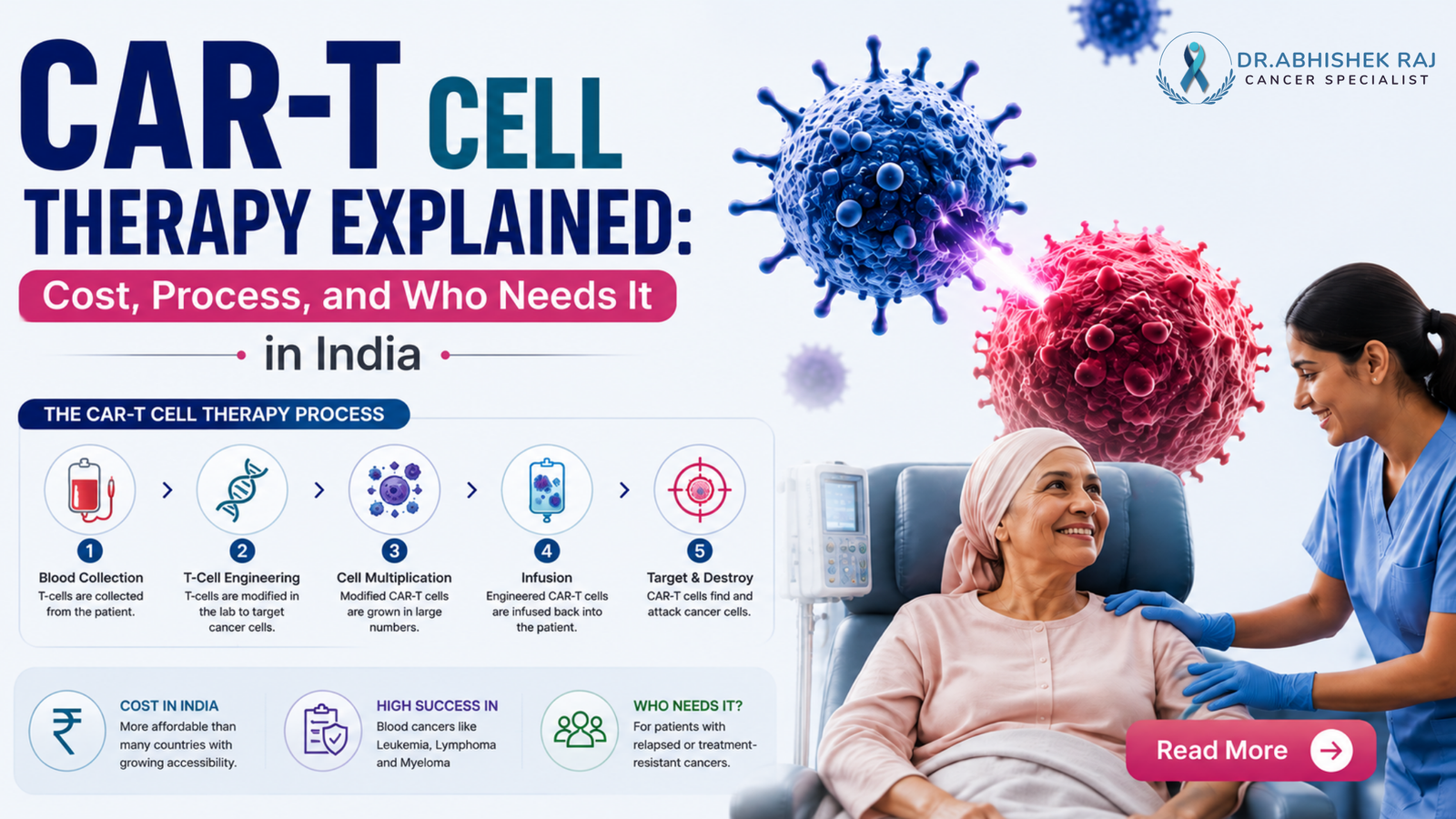
CAR-T Cell Therapy Explained: Cost, Process, and Who Needs It in India
CAR-T cell therapy is one of the most groundbreaking advances in cancer treatment in the last decade. Unlike traditional treatments that rely on external drugs or radiation, CAR-T therapy reprograms a patient's own immune cells to recognize and destroy cancer cells. For patients with certain blood cancers who haven't responded to standard treatments, this therapy can offer a new chance at remission. If you're exploring this option for yourself or a loved one, consulting the best medical oncologist in Noida Extension is an essential first step to understand whether CAR-T therapy is the right path forward.
In this blog, we explain what CAR-T therapy is, how it works, its cost in India, and who is typically considered a suitable candidate.
What Is CAR-T Cell Therapy?
CAR-T stands for Chimeric Antigen Receptor T-cell therapy. It is a type of immunotherapy that involves modifying a patient's own T-cells (a type of white blood cell) in a laboratory so they can better identify and attack cancer cells. Once modified, these engineered cells are multiplied in large numbers and infused back into the patient's bloodstream, where they seek out and destroy cancer cells with remarkable precision.
Unlike chemotherapy, which affects both healthy and cancerous cells, CAR-T therapy is highly targeted — it's essentially turning the body's own defense system into a specialized cancer-fighting tool.
How Does CAR-T Cell Therapy Work? The Step-by-Step Process
1. T-Cell Collection
The process begins with a procedure called leukapheresis, where blood is drawn from the patient and T-cells are separated out. The remaining blood components are returned to the patient's body.
2. Genetic Modification
The collected T-cells are sent to a specialized laboratory, where they are genetically engineered to produce chimeric antigen receptors on their surface. These receptors allow the T-cells to recognize a specific protein found on cancer cells.
3. Cell Expansion
The modified T-cells are multiplied in the lab until there are enough of them — often millions — to be effective once reintroduced into the body.
4. Preparative Chemotherapy
Before the CAR-T cells are infused, patients typically receive a short course of low-dose chemotherapy. This step, known as lymphodepletion, helps reduce the number of existing immune cells, creating space for the new CAR-T cells to expand effectively.
5. CAR-T Cell Infusion
The engineered cells are infused back into the patient's bloodstream, similar to a blood transfusion. From here, the modified T-cells begin working to identify and destroy cancer cells.
6. Monitoring and Recovery
After infusion, patients are closely monitored in the hospital for potential side effects, such as cytokine release syndrome (CRS) or neurological symptoms. This monitoring period typically lasts a few weeks, as most side effects tend to appear within this window.
Who Needs CAR-T Cell Therapy?
CAR-T therapy isn't a first-line treatment for most cancers. It is generally recommended for patients who have:
Relapsed or refractory blood cancers, such as certain types of leukemia and lymphoma
Not responded adequately to standard treatments like chemotherapy or targeted therapy
Specific cancer types with confirmed antigen markers that CAR-T cells can target
Adequate overall health to tolerate the treatment process and potential side effects
Because eligibility depends on detailed diagnostic testing and disease history, a thorough evaluation by an oncologist is necessary before proceeding. Not every patient with a blood cancer diagnosis will be a suitable candidate, which is why personalized assessment matters so much.
Best medical oncologist in Noida Extension
Cost of CAR-T Cell Therapy in India
One of the biggest advantages of receiving CAR-T therapy in India is affordability compared to Western countries, where the treatment can cost several hundred thousand dollars. In India, costs vary widely depending on the hospital, the specific CAR-T product used, and whether it's an internationally licensed therapy or an indigenously developed option. Indigenous CAR-T therapies developed in India have made this treatment considerably more accessible than imported alternatives, though costs still depend on the complexity of the case, hospitalization needs, and post-treatment monitoring.
Because pricing can vary significantly between hospitals and cases, it's important to get a personalized cost estimate directly from your treating oncology team rather than relying on general figures.
Potential Side Effects of CAR-T Therapy
While CAR-T therapy has shown promising results, it does carry potential risks, including:
Cytokine release syndrome (a strong immune reaction causing fever, low blood pressure, or breathing difficulty)
Neurological side effects, such as confusion or difficulty speaking
Increased risk of infections due to temporarily weakened immunity
Low blood cell counts requiring supportive care
These side effects are closely monitored and managed by specialized hospital teams experienced in administering CAR-T therapy, which is why treatment is typically carried out at centers with dedicated cellular therapy units.
Why Expert Guidance Is Essential
CAR-T therapy is a complex, highly specialized treatment that requires careful patient selection, precise laboratory processes, and vigilant post-treatment monitoring. It isn't a decision to make without expert guidance. An experienced oncologist will evaluate your specific cancer type, prior treatment history, and overall health to determine whether CAR-T therapy is a suitable option — or whether other treatments might be more appropriate first.
If you or a loved one has a relapsed or treatment-resistant blood cancer, consulting the best medical oncologist in Noida Extension can help you understand whether CAR-T therapy is the right next step, along with realistic expectations about the process, risks, and potential outcomes.
Final Thoughts
CAR-T cell therapy represents a significant leap forward in cancer treatment, offering new hope for patients with relapsed or treatment-resistant blood cancers. While the process is intensive and requires careful monitoring, its ability to harness the body's own immune system to fight cancer has led to meaningful outcomes for many patients who had few options left.
If you're considering this treatment path, don't rely on general information alone. A detailed, personalized consultation with the best medical oncologist in Noida Extension can help clarify your eligibility, expected costs, and the overall treatment journey ahead.
Frequently Asked Questions (FAQs)
1. Is CAR-T cell therapy a cure for cancer? CAR-T therapy has led to long-term remission in many patients with certain blood cancers, though outcomes vary based on cancer type and individual response.
2. How long does the entire CAR-T therapy process take? From cell collection to infusion, the process typically takes a few weeks, followed by a monitoring period of several more weeks for recovery.
3. Is CAR-T therapy only used for blood cancers? Currently, most approved CAR-T therapies target blood cancers like leukemia and lymphoma, though research is ongoing for solid tumors.
4. What are the most common side effects of CAR-T therapy? The most common side effects include cytokine release syndrome and neurological symptoms, both of which are closely monitored by the treatment team.
5. Who decides if a patient is eligible for CAR-T therapy? Eligibility is determined by an oncologist after reviewing the cancer type, previous treatments, antigen testing, and the patient's overall health status.