
 24 Hour Emergency Aid
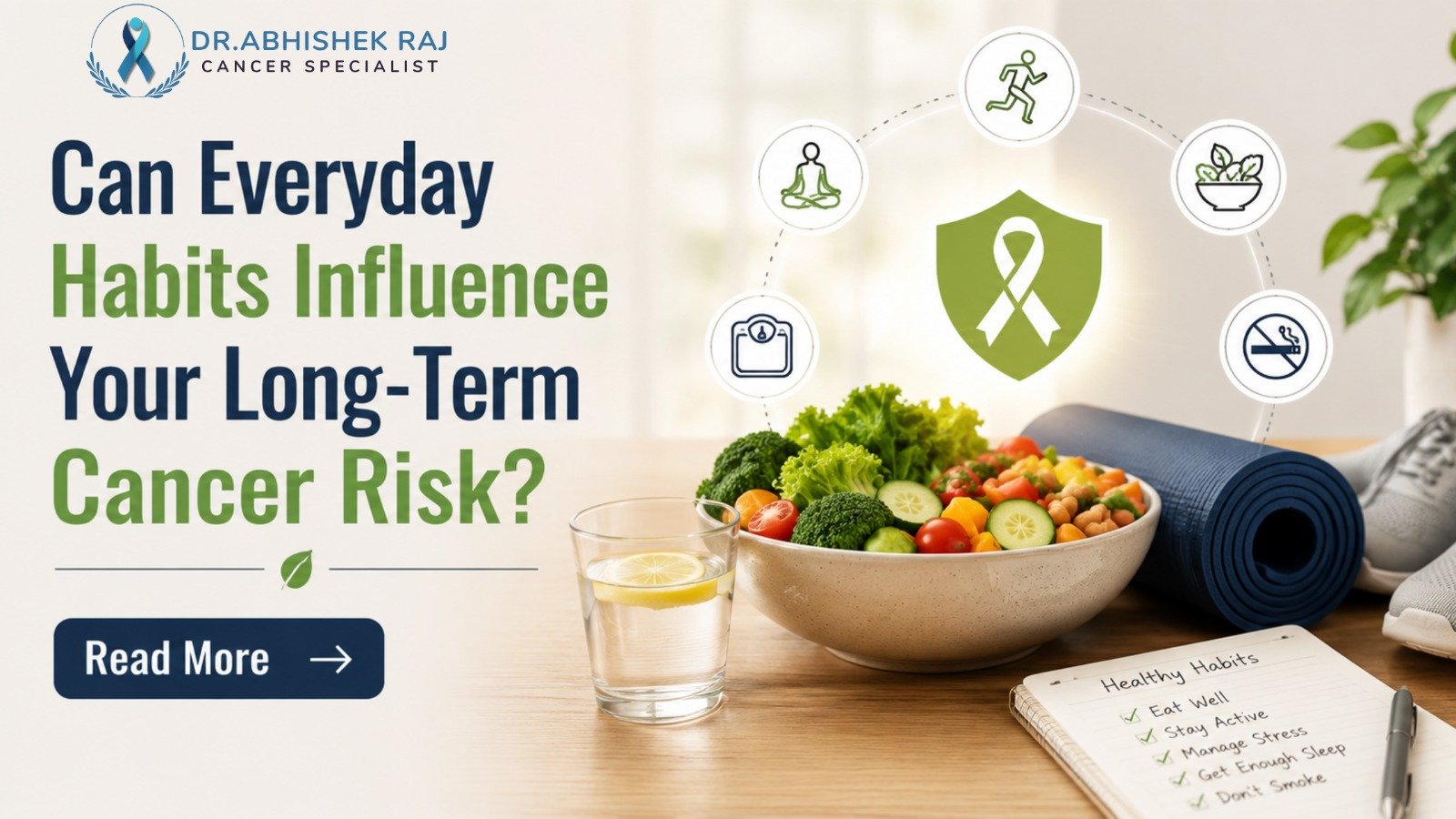
Can Everyday Habits Influence Your Long-Term Cancer Risk?
Cancer often feels like something that happens suddenly, out of nowhere, without warning. But the truth is far less dramatic and far more empowering: most cancers develop slowly, over years, shaped quietly by the choices we make every single day. The food on our plate, the hours we sleep, the way we manage stress, and even how often we move our bodies all add up over time. Understanding this can help you take small, meaningful steps today that protect your health tomorrow.
The Slow Build-Up: How Habits Shape Cancer Risk
Cancer rarely starts with one big event. Instead, it's usually the result of repeated, small damages to our cells that accumulate over decades. Smoking a cigarette once won't cause cancer, but a daily habit sustained for years dramatically increases the odds. The same logic applies to diet, alcohol consumption, sun exposure, and even chronic stress. These aren't isolated incidents; they're patterns that your body remembers.
This is why doctors and researchers increasingly emphasize lifestyle medicine alongside traditional treatment. If you're looking for guidance tailored to your personal risk factors, consult the Best Medical Oncologist Doctor in Noida Extension. They can help you understand which habits matter most for your specific health profile.
Diet: More Than Just Calories
What we eat does more than affect our weight. Diets high in processed meats, refined sugars, and trans fats have been linked to increased inflammation in the body, a known contributor to cancer development. On the other hand, diets rich in fiber, antioxidants, and plant-based foods seem to offer a protective effect.
Think of your gut as a garden. Feed it well with vegetables, whole grains, and healthy fats, and it tends to support a stronger immune system. Neglect it with constant processed food, and inflammation can take root silently for years before symptoms ever appear.
Sleep: The Silent Repair Window
Sleep isn't just rest; it's repair time. During deep sleep, your body works to repair damaged cells, regulate hormones, and clear out toxins. Chronic sleep deprivation disrupts this process and has been associated with hormonal imbalances that may contribute to certain cancers, particularly breast and colorectal cancer.
If you've been running on five hours of sleep for years, thinking it's harmless, it might be worth reconsidering. Long-term sleep debt doesn't just make you tired; it potentially changes how your cells behave.
Stress: The Hidden Trigger
Chronic stress floods your body with cortisol and other stress hormones. While short bursts of stress are manageable, prolonged stress can weaken immune function over time, making it harder for your body to detect and destroy abnormal cells before they multiply.
This doesn't mean stress directly causes cancer, but it can create an internal environment where risk factors are more likely to take hold. Simple practices like mindfulness, regular movement, or even talking to someone you trust can make a measurable difference over the years.
Physical Activity: Movement as Medicine
Regular exercise does more than help you maintain a healthy weight. It improves circulation, regulates hormones like insulin and estrogen, and supports a stronger immune response. Studies consistently show that people who maintain regular physical activity have a lower risk of several cancers, including colon and breast cancer.
You don't need to run marathons. A brisk 30-minute walk most days of the week can meaningfully lower long-term risk when practiced consistently.
Alcohol and Tobacco: The Usual Suspects
It's no secret that smoking and excessive alcohol consumption are linked to multiple cancers, including those of the liver, throat, and lungs. What's less discussed is how even moderate, long-term habits can quietly raise risk. It's not about one drink or one cigarette; it's about the cumulative exposure over the years that matters most.
If quitting feels overwhelming, a gradual reduction with professional support, including guidance from the Best Medical Oncologist Doctor in Noida Extension, can make the process more sustainable.
Sun Exposure and Skin Habits
Skin cancer is one of the most preventable cancers, yet sun protection is often overlooked in daily routines. Repeated unprotected sun exposure over the years damages skin cell DNA, increasing the risk of melanoma and other skin cancers. Simple habits like wearing sunscreen daily, even on cloudy days, can significantly reduce this long-term risk.
Why Early Awareness Matters
The encouraging part of all this is that cancer risk isn't fixed. Unlike genetics, which we can't control, lifestyle habits are modifiable. Small, consistent changes, such as eating better, sleeping more, moving daily, managing stress, and avoiding tobacco, can meaningfully shift your long-term risk profile.
Regular health check-ups also play a crucial role in early detection. Many cancers, when caught early, are highly treatable. This is where seeking advice from the Best Medical Oncologist Doctor in Noida Extension. becomes valuable, not just for treatment, but for preventive screening and risk assessment based on your lifestyle and family history.
Building a Cancer-Conscious Lifestyle
You don't need to overhaul your entire life overnight. Start small:
Swap one processed snack for a fruit each day
Add a 20-minute walk to your routine
Set a consistent sleep schedule
Practice five minutes of deep breathing when stressed
Schedule annual health screenings
Over months and years, these small shifts compound into meaningful protection.
Final Thoughts
Cancer risk is influenced by a complex mix of genetics, environment, and lifestyle. While we can't change our genes, we have significant control over our daily habits. By making mindful choices in diet, sleep, exercise, and stress management, you're actively investing in your long-term health.
If you have concerns about your personal risk factors or family history, don't wait for symptoms to appear. Reaching out to the Best Medical Oncologist Doctor in Noida Extension. A personalized risk assessment can be one of the most proactive steps you take for your future well-being.
Frequently Asked Questions
1. Can daily habits really cause cancer?
Yes, habits like poor diet, smoking, and inactivity can increase long-term cancer risk over time.
2. Is stress directly linked to cancer?
Not directly, but chronic stress weakens immunity, which may contribute to risk.
3. How much exercise helps reduce cancer risk?
Just 30 minutes of moderate activity most days can meaningfully lower risk.
4. Does sleep really affect cancer risk?
Yes, poor sleep disrupts hormone regulation and cellular repair processes.
5. When should I see an oncologist for risk assessment?
If you have family history or lifestyle risk factors, early consultation is recommended.