


 24 Hour Emergency Aid
Bone Marrow Transplant Guide: Process, Benefits & What to Expect
Introduction
When you or a loved one receives a diagnosis requiring a bone marrow transplant, the news can feel overwhelming. Questions flood your mind: What exactly happens during the procedure? Will it hurt? How long is recovery? Understanding the bone marrow transplant process can ease anxiety and help you prepare for the journey ahead.
Bone marrow transplantation represents one of modern medicine's most remarkable achievements—a procedure that has saved countless lives and continues to offer hope to patients with blood cancers, immune deficiencies, and other life-threatening conditions. Working with the Best Medical Oncologist In Noida ensures you receive expert guidance through every step of this complex but potentially life-saving treatment.
What Is a Bone Marrow Transplant?
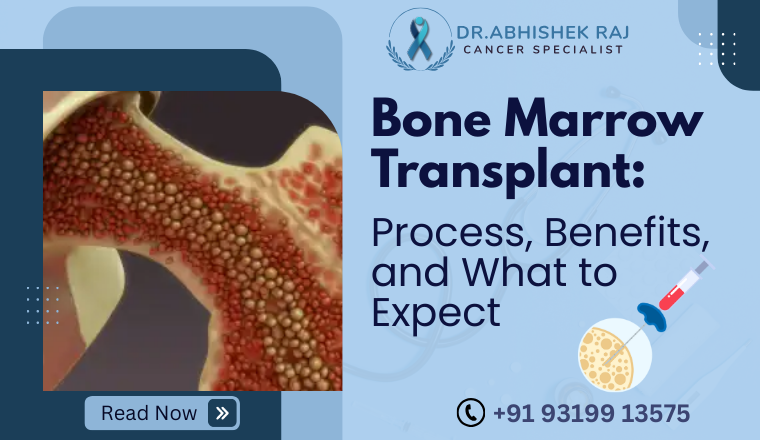
A bone marrow transplant (BMT), also called a stem cell transplant, is a medical procedure that replaces damaged or destroyed bone marrow with healthy bone marrow stem cells. Your bone marrow is the soft, spongy tissue inside your bones that produces blood cells—red blood cells (carrying oxygen), white blood cells (fighting infection), and platelets (helping blood clot).
When diseases like leukemia, lymphoma, multiple myeloma, or severe aplastic anemia damage your bone marrow's ability to produce healthy blood cells, a transplant can restore this critical function.
Types of Bone Marrow Transplants
Understanding the different types helps clarify which approach your medical team might recommend:
Autologous Transplant: Uses your own stem cells, which are collected before you receive high-dose chemotherapy or radiation. After treatment destroys cancer cells along with your bone marrow, your stored stem cells are returned to your body to rebuild healthy bone marrow. This approach eliminates the risk of graft-versus-host disease but may not be suitable for all conditions.
Allogeneic Transplant: Uses stem cells from a donor—typically a family member, unrelated volunteer donor, or umbilical cord blood. The donor's cells must closely match your tissue type (HLA matching) to reduce rejection risk. This type offers the benefit of the "graft-versus-cancer effect," where donor cells attack remaining cancer cells.
Syngeneic Transplant: A rare type using stem cells from an identical twin, providing a perfect genetic match with no rejection risk.
Haploidentical Transplant: A newer approach using cells from a half-matched donor, often a parent or child, expanding donor options for patients who can't find fully matched donors.
The Best Medical Oncologist In Noida will help determine which type is most appropriate based on your specific condition, available donors, and overall health.
Conditions Treated with Bone Marrow Transplant
BMT treats various serious conditions:
Blood Cancers:
Acute and chronic leukemias
Hodgkin and non-Hodgkin lymphomas
Multiple myeloma
Myelodysplastic syndromes
Non-Cancerous Conditions:
Severe aplastic anemia
Sickle cell disease
Thalassemia
Immune deficiency disorders
Certain metabolic disorders
According to the National Marrow Donor Program, more than 50,000 bone marrow transplants are performed worldwide annually, with success rates continuing to improve.
The Bone Marrow Transplant Process
Understanding each phase helps you prepare mentally and physically:
Phase 1: Evaluation and Preparation (2-4 Weeks)
Comprehensive Testing: Your medical team conducts extensive tests including blood work, imaging scans, heart and lung function tests, and disease staging to ensure you're healthy enough for transplant.
Donor Search and Matching: If you need an allogeneic transplant, the search begins for a suitable donor through family testing or national registries. Finding a match can take weeks to months.
Central Line Placement: A catheter is surgically placed in a large vein in your chest to administer medications, fluids, and transplanted cells, and to draw blood samples.
Education and Support: You'll meet with various specialists including transplant coordinators, social workers, nutritionists, and psychologists to prepare for the journey ahead.
Phase 2: Conditioning Regimen (1 Week)
Before receiving the transplant, you undergo "conditioning"—high-dose chemotherapy with or without radiation therapy. This serves multiple purposes:
Destroys remaining cancer cells
Suppresses your immune system to prevent rejection
Creates space in bone marrow for new stem cells
This phase is often the most physically challenging, causing side effects like nausea, fatigue, mouth sores, and hair loss.
Phase 3: Transplant Day (Day 0)
Despite its name, a bone marrow transplant resembles a blood transfusion more than surgery. The stem cells are infused through your central line over several hours. Many patients find this day anticlimactic—it's painless and relatively quick. You'll be awake and can have family present.
This day is considered "Day 0," with days counted backward before transplant (Day -7, Day -1) and forward after (Day +1, Day +7).
Phase 4: Engraftment Period (2-6 Weeks)
Following transplant, you enter the critical engraftment phase when new stem cells travel to your bone marrow and begin producing blood cells. During this time:
Hospitalization: You'll remain hospitalized in a specialized transplant unit, often in isolation to protect you from infection when your immune system is essentially nonexistent.
Intensive Monitoring: Daily blood tests track cell production, and you'll receive supportive care including blood and platelet transfusions, antibiotics, anti-nausea medications, and pain management.
Side Effect Management: Common issues include severe fatigue, infections, mouth sores, diarrhea, and skin changes. Your care team addresses these aggressively.
Engraftment Signs: Rising blood cell counts indicate the transplant is working. Most patients engraft within 2-4 weeks, though full immune recovery takes much longer.
Phase 5: Recovery and Follow-Up (Months to Years)
Initial Recovery (First 100 Days): This critical period involves frequent clinic visits, continued infection prevention, and monitoring for complications like graft-versus-host disease (in allogeneic transplants).
Long-Term Recovery (Beyond 100 Days): Gradual return to normal activities occurs over 6-12 months or longer. Your immune system slowly rebuilds, dietary restrictions relax, and strength returns.
Lifelong Monitoring: Regular follow-ups continue for years to watch for late effects and ensure disease doesn't return.
Benefits of Bone Marrow Transplant
When successful, BMT offers profound benefits:
Cure Potential: For many blood cancers and disorders, transplant offers the only chance for cure rather than just disease management.
Restored Blood Production: Healthy bone marrow resumes normal production of all blood cell types.
Improved Quality of Life: Successfully transplanted patients often return to normal activities, work, and family life.
Graft-Versus-Cancer Effect: In allogeneic transplants, donor immune cells provide ongoing cancer surveillance, reducing relapse risk.
Risks and Complications
Being informed about potential complications helps you recognize and report concerns early:
Short-Term Risks:
Infections due to weakened immunity
Bleeding and anemia requiring transfusions
Organ damage from conditioning treatment
Graft failure (transplant doesn't engraft)
Long-Term Complications:
Graft-versus-host disease (GVHD) in allogeneic transplants
Chronic infections
Cataracts
Infertility
Secondary cancers
Organ dysfunction
Your transplant team monitors for these issues and provides preventive treatments when possible.
What Patients Can Expect
Physical Changes: Expect significant fatigue, weight loss or gain, hair loss, and changes in taste and appetite. Physical recovery is gradual, requiring patience.
Emotional Journey: The transplant experience is emotionally intense. Anxiety, depression, and mood swings are common. Mental health support is crucial.
Lifestyle Adjustments: You'll follow strict infection prevention measures including hand hygiene, dietary restrictions, avoiding crowds, and limiting exposure to children and pets initially.
Caregiver Needs: Having a dedicated caregiver is essential. They'll help with medications, meals, transportation to appointments, and emotional support.
Financial Considerations: Transplants are expensive. Work closely with social workers and financial counselors to understand costs, insurance coverage, and available assistance programs.
Preparing for Your Transplant
Steps to optimize your transplant outcome:
Physical Preparation:
Maintain the best possible nutrition
Exercise as tolerated to maintain strength
Complete all dental work to prevent infections
Address any existing medical issues
Practical Preparation:
Arrange extended leave from work
Organize childcare and household responsibilities
Set up a comfortable recovery space at home
Stock up on approved foods and supplies
Emotional Preparation:
Join support groups to connect with other transplant patients
Consider counseling to process emotions
Build your support network
Learn stress management techniques
Hope for the Future
Bone marrow transplantation continues evolving with emerging technologies:
Improved donor matching techniques
Reduced-intensity conditioning regimens for older or frailer patients
Better GVHD prevention and treatment
CAR T-cell therapy as an alternative for some conditions
Enhanced supportive care reducing complications
Conclusion
A bone marrow transplant is undoubtedly one of the most challenging medical journeys you might face, but it's also one filled with hope and the possibility of cure. While the process is intensive and recovery takes time, many patients emerge on the other side with a new lease on life.
Understanding what to expect—the procedures, timeline, potential complications, and recovery process—helps you approach transplant with realistic expectations and confidence. You're not alone on this journey. Your transplant team, including oncologists, nurses, social workers, and counselors, stands ready to support you every step of the way.
If you or a loved one is considering bone marrow transplantation, seek care from experienced specialists who can guide you through this complex process with expertise and compassion. With proper preparation, excellent medical care, and strong support, a bone marrow transplant can offer a path to healing and renewed health.
Frequently Asked Questions
Q1: How long does a bone marrow transplant take? The infusion itself takes a few hours, but the entire process from conditioning through initial recovery spans 4-8 weeks in the hospital, with full recovery taking 6-12 months or longer.
Q2: Is a bone marrow transplant painful? The transplant infusion itself is painless. However, the conditioning chemotherapy and side effects during recovery can cause significant discomfort, which is managed with medications.
Q3: What is the success rate of bone marrow transplants? Success rates vary widely based on disease type, stage, age, overall health, and donor match quality, ranging from 30% to 80% long-term survival for different conditions.
Q4: Can I work after a bone marrow transplant? Many patients return to work, though timing varies. Most need 6-12 months off work initially, with some returning part-time first and gradually increasing hours as strength returns.
Q5: Will I need to take medications long-term after transplant? Yes, especially for allogeneic transplants. You'll take immunosuppressive medications for months to years to prevent GVHD, plus other medications as needed for specific complications.