


 24 Hour Emergency Aid
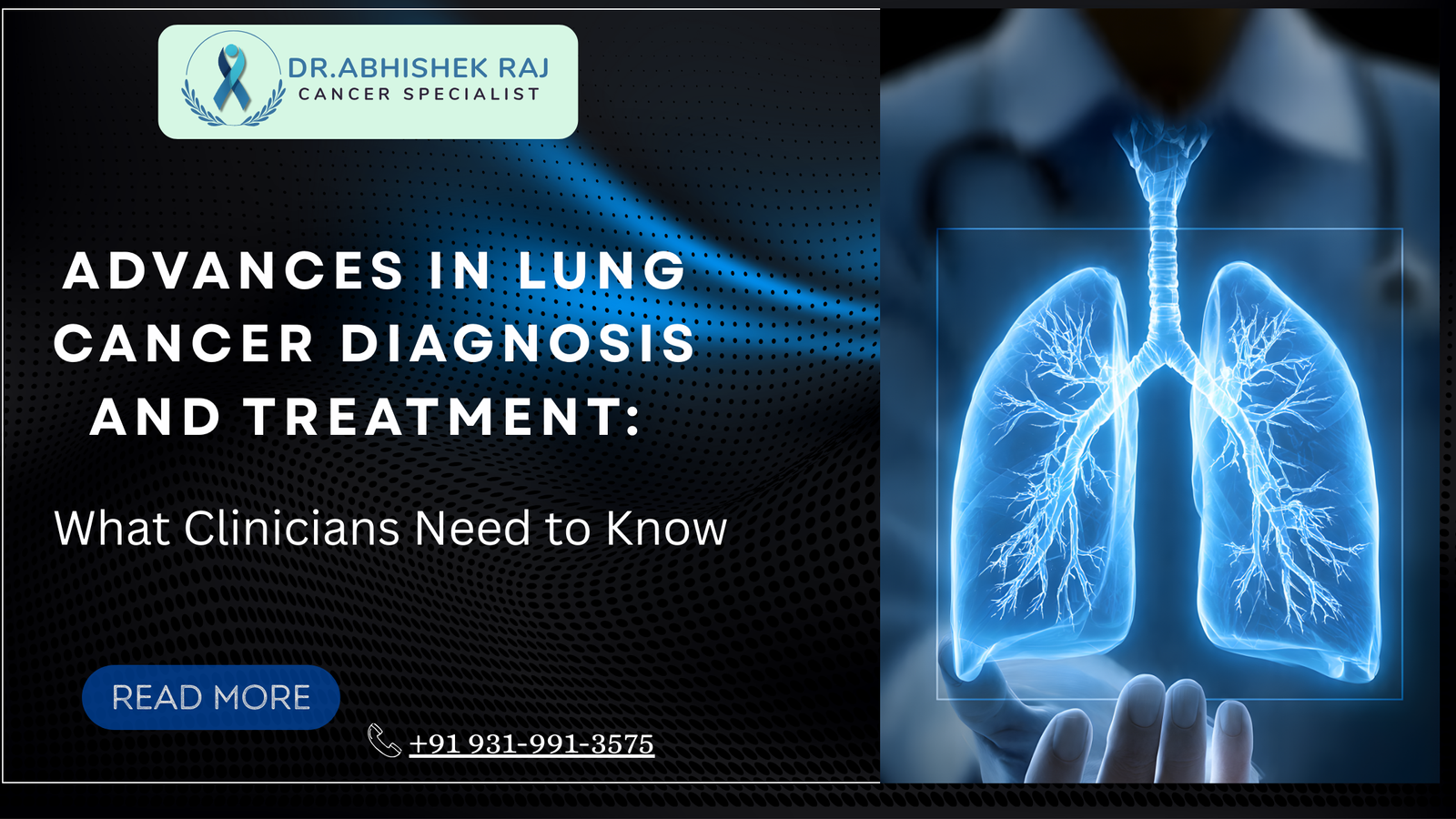
Advances in Lung Cancer Diagnosis and Treatment: What Clinicians Need to Know
Lung cancer remains one of the leading causes of cancer-related mortality worldwide. However, recent advances in diagnostic techniques and treatment strategies have significantly improved patient outcomes. For clinicians, staying informed about these developments is essential to delivering evidence-based, personalized care and improving survival rates.
This article highlights key advancements in lung cancer diagnosis and treatment that every healthcare professional should understand.
Evolving Landscape of Lung Cancer Diagnosis
Early Detection and Screening
One of the most impactful advancements in lung cancer care is the implementation of low-dose computed tomography (LDCT) screening for high-risk populations, particularly long-term smokers. Early detection through LDCT has been shown to reduce lung cancer mortality by identifying disease at an earlier, more treatable stage.
Clinicians should actively assess patient risk factors and recommend screening when appropriate, often in consultation with a specialist such as the Best Medical Oncologist in Noida.
Molecular and Genetic Testing
Modern lung cancer diagnosis extends beyond histology. Molecular profiling has become a standard component of diagnostic evaluation, particularly in non-small cell lung cancer (NSCLC). Testing for genetic alterations such as EGFR mutations, ALK rearrangements, ROS1, BRAF, and KRAS mutations allows clinicians to tailor treatment more precisely.
Comprehensive biomarker testing at diagnosis ensures that patients receive the most effective targeted or immunotherapy-based regimens.
Liquid Biopsy
Liquid biopsy is an emerging diagnostic tool that detects circulating tumor DNA (ctDNA) from a blood sample. This minimally invasive technique is valuable when tissue biopsy is not feasible and for monitoring treatment response or detecting resistance mutations over time.
Advances in Lung Cancer Treatment
Targeted Therapy
Targeted therapies have transformed the treatment paradigm for patients with actionable genetic mutations. These agents offer higher response rates and better tolerability compared to traditional chemotherapy. Continuous development of next-generation inhibitors has also improved outcomes for patients with acquired resistance.
Collaboration with the Best Medical Oncologist in Noida can help clinicians interpret molecular results and select optimal targeted therapies.
Immunotherapy
Immune checkpoint inhibitors have become a cornerstone in the management of advanced lung cancer. Drugs targeting PD-1, PD-L1, and CTLA-4 have demonstrated durable responses and survival benefits, particularly in patients with high PD-L1 expression.
Immunotherapy is now used as first-line treatment, either alone or in combination with chemotherapy, depending on tumor biology and patient factors.
Combination Treatment Strategies
Recent clinical trials support the use of combination therapies, including chemotherapy plus immunotherapy or dual immunotherapy regimens. These approaches enhance antitumor response while maintaining manageable toxicity profiles when appropriately selected.
Treatment planning requires careful assessment of patient performance status, comorbidities, and biomarkers—an area where guidance from the Best Medical Oncologist in Noida is invaluable.
Advances in Radiation and Supportive Care
Precision radiation techniques such as stereotactic body radiotherapy (SBRT) allow high-dose treatment with minimal damage to surrounding tissue. In addition, improvements in supportive care, including symptom management and palliative interventions, have enhanced quality of life for lung cancer patients.
Multidisciplinary and Personalized Care
The complexity of lung cancer management underscores the importance of a multidisciplinary approach involving pulmonologists, radiologists, pathologists, surgeons, radiation oncologists, and medical oncologists. Personalized treatment plans improve outcomes and reduce unnecessary toxicity.
Clinicians should ensure timely referral to specialized cancer centers or experts like the Best Medical Oncologist in Noida for comprehensive evaluation and advanced treatment options.
Looking Ahead
The future of lung cancer care is promising, with ongoing research into novel biomarkers, personalized vaccines, and next-generation immunotherapies. Artificial intelligence is also being explored to enhance imaging interpretation and treatment decision-making.
For clinicians, continuous education and adoption of emerging evidence are critical to improving early detection, optimizing treatment, and ultimately enhancing patient survival.
1. What is the most effective method for early lung cancer detection?
Low-dose CT (LDCT) screening is currently the most effective method for early detection in high-risk individuals, especially long-term smokers.
2. Why is molecular testing important in lung cancer?
Molecular testing helps identify genetic mutations that allow clinicians to select targeted therapies, leading to more personalized and effective treatment.
3. How does immunotherapy work in lung cancer treatment?
Immunotherapy enhances the body’s immune system to recognize and attack cancer cells, offering durable responses in selected patients.
4. What is a liquid biopsy and when is it used?
A liquid biopsy is a blood test that detects tumor DNA and is useful when tissue biopsy is not possible or for monitoring treatment response.
5. When should a patient consult a medical oncologist for lung cancer?
Patients should consult a medical oncologist immediately after diagnosis or when advanced treatment planning is required for optimal care.